
Background on EBSAs and the EBSA process
What are EBSAs?
An EBSA is an area of the ocean recognized for its unique ecological and/or biological features, such as essential habitats, food sources or breeding grounds for specific species.
An EBSA is an area that meets at least one of the seven internationally agreed scientific criteria, known as the “EBSA criteria”, which have been designed to be broad and applicable to a wide range of marine systems. These criteria for identifying ecologically or biologically significant marine areas in need of protection in open-ocean waters and deep-sea habitats were adopted in 2008 by the ninth meeting of the Conference of the Parties to the Convention on Biological Diversity (COP 9):
- Uniqueness or rarity
- Special importance for life history stages of species
- Importance for threatened, endangered or declining species and/or habitats
- Vulnerability, fragility, sensitivity or slow recovery
- Biological productivity
- Biological diversity
- Naturalness
These areas can vary greatly in size and location, ranging from coastal waters to the high seas and from the ocean surface to the seabed. EBSAs encompass a wide range of species, habitats and oceanographic features, including dynamic and ephemeral phenomena, as well as areas that are important seasonally or throughout the year. EBSAs have included features such as seamounts, hydrothermal vents, coral reefs, migratory corridors, seasonal fish spawning areas and coastal upwellings, among many other types of ecosystems.
For more details on the EBSA criteria, please see: cbd.int/doc/meetings/mar/ebsaws-2014-01/other/ebsaws-2014-01-azores-brochure-en.pdf
Why is the CBD doing this work?
On the basis of a mandate from the CBD COP, the CBD Secretariat has been leading this work as part of its efforts to support CBD Parties in conserving and sustainably using marine and coastal biodiversity, including through competent intergovernmental organizations. The EBSA process remains the only global intergovernmental process to date that identifies, describes and maps the inherent ecological and biological value of marine ecosystems across a wide range of marine habitats, species, taxa and regions. The identification of these special places in the ocean has been described as one of the most important areas of work under the CBD. Covering almost two-thirds of the planet’s surface, the ocean is home to a vast diversity of marine life, but faces severe threats such as habitat destruction, overharvesting, pollution and climate change. Effective conservation and sustainable use require the identification of areas where conservation and management efforts should be prioritized, which calls for a robust understanding of marine ecosystems in different regions, including those with the greatest diversity and abundance of species as well as those having the rarest and most unique marine life.
The CBD COP has emphasized the importance of the engagement of experts from Parties, other Governments, competent intergovernmental organizations, indigenous peoples and local communities and other relevant stakeholder groups in the EBSA process. As such, the EBSA process provides important opportunities to catalyze partnerships, foster scientific collaboration and build capacities at different scales.
Using EBSA information
EBSA descriptions provide scientific information about the ecological and biological features of specific marine areas. They do not prescribe management measures, such as the establishment of marine protected areas, nor do they characterize threats or recommend specific restrictions on human activities. Decisions on any such measures or policies are purely a matter for States and competent intergovernmental organizations.
EBSA information provides an opportunity for prioritizing marine areas that would benefit from planning, conservation or management efforts to safeguard biodiversity and support sustainable use. Using the latest science and knowledge, EBSA information aims to support planning across different spatial scales, from local to national, regional and global, and inform various types of management tools, including MPAs, other effective area-based conservation measures (OECMs), environmental impact assessments, and sectoral management measures, for example. It can also feed into scientific research and monitoring, or bring attention and awareness to these areas of importance.
EBSA information plays a key role in advancing the goals and targets of the Kunming-Montreal Global Biodiversity Framework (adopted in decision 15/4), in particular Target 1 (spatial planning), Target 2 (ecosystem restoration) and Target 3 (area-based conservation). EBSA information has not only been used at the national and sub-national levels by CBD Parties, but has also been used in a range of global and regional intergovernmental processes focused on issues related to the marine environment and sustainable development. Importantly, EBSA information can contribute to the implementation of the Agreement under UNCLOS on the Conservation and Sustainable Use of Marine Biological Diversity of Areas beyond National Jurisdiction (BBNJ Agreement).
How have EBSAs been described in the past?
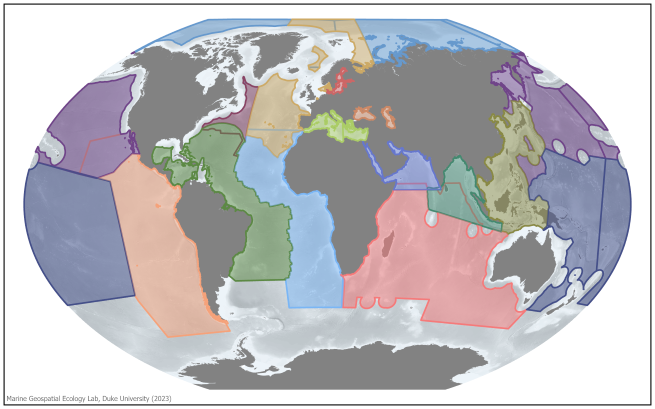
The original modalities for the EBSA process, as mandated by the CBD COP in 2010, were based on the convening of regional expert workshops to facilitate the description of EBSAs. These workshops gathered a wide range of participants, including national, regional and global experts nominated by governments, intergovernmental and non-governmental organizations, universities, and indigenous peoples and local communities. During an EBSA workshop, expert participants would synthesize a wide range of information and, with the support of a specialized data team, develop maps and descriptions of areas potentially meeting the EBSA criteria. By the end of the workshop, the maps and descriptions would be reviewed and adopted by the entire workshop and the descriptions of these areas potentially meeting the EBSA criteria were provided for consideration by the Subsidiary Body on Scientific, Technical and Technological Advice (SBSTTA) and the COP to the CBD, which decided whether to formally recognize the proposed areas as EBSAs and have them included in the EBSA repository. This process, which looked at features across almost the entirety of the global ocean, led to the description of more than 300 EBSAs. These regional workshops covered the following regions:
- Western South Pacific Ocean
- Wider Caribbean & Western Mid-Atlantic Ocean
- Southern Indian Ocean
- Eastern Tropical & Temperate Pacific Ocean
- North Pacific Ocean
- South-Eastern Atlantic Ocean
- Arctic Ocean
- North-West Atlantic Ocean
- Mediterranean Sea
- North-West Atlantic Ocean
- North-East Indian Ocean
- North-West Indian Ocean and Adjacent Gulf Areas
- East Asian Seas
- Black and Caspian Seas
- Baltic Sea
- North-East Atlantic and Adjacent Areas
How have things changed?
The description of EBSAs has always relied on the scientific data and expert knowledge available at the time of the workshop, which served as the primary mechanism for identifying EBSAs. However, advances in marine research tools and monitoring technologies, as well as new biodiversity information generated through other processes at the national and international levels, prompted CBD Parties to seek ways to incorporate new scientific information into the EBSA process.
In response, CBD Parties adopted new modalities for the EBSA process at COP 16 in November 2024 which change how EBSAs can be described and modified. The new modalities allow existing EBSA descriptions to be updated based on new scientific information and new areas to be identified through approaches beyond the regional workshops. This ensures that EBSA information can continue to support planning and management with the best available science and knowledge and contribute to other international processes, in view of the rapidly changing ocean.
The new EBSA process still includes many of the same elements as the previous process, such as regional workshops, but also includes other mechanisms for review of proposed EBSA descriptions and modalities to modify EBSAs, as well as ways to share information on national-level work that has not gone through consideration by SBSTTA and COP.