Information Information News & Communications Web Announcements StatementsNotificationsNews Headlines on BiodiversityPress ReleasesRSS FeedsTwitterFacebookDiscussion Forums National Information Country Profiles List of PartiesLists of National Focal PointsNational Biodiversity Strategies and Action Plans (NBSAPs)National ReportsStatus of Contributions Multimedia Video Gallery YouTube General References Decisions RecommendationsMeetingsLibrary and DocumentationPrinciples, Guidelines and ToolsResources for NegotiatorsECOLEX - A Gateway to Biodiversity LawCase StudiesRelated WebsitesAdministrative and Financial InformationCalendar of Activities Thematic Databases Ecosystem Approach Sourcebook Database on Incentive MeasuresDatabase on Scientific AssessmentsDatabase on Technology TransferCase Studies on Impact AssessmentCase Studies on Dry and Sub-Humid land Biodiversity Hosting Meetings Information // Edward Norton: UN Goodwill Ambassador for Biodiversity Monday // 2.21.2011 Edward Norton: UN Goodwill Ambassador for Biodiversity UN names actor Edward Norton as celebrity advocate for preserving biodiversity 8 July 2010 – Acclaimed actor and conservation activist Edward Norton took on his latest role today, as Secretary-General Ban Ki-moon designated him United Nations Goodwill Ambassador for Biodiversity. More » Messages and Articles by Edward Norton, UN Goodwill Ambassador for Biodiversity 17 September 2010 Article: The US must show leadership on biodiversity 29 September 2010 Message for the Congressional Briefing by Conservation International, Washington, DC In a few weeks, when the 193 parties of the Convention on Biological Diversity converge in Japan to negotiate a new Strategic Plan for 2011-2020, American conservation organizations, scientists, and academics, leaders in the field of saving life on earth, will look on as observers. They will not have an official voice, nor a vote on the final agenda reached at the conference. How sadly ironic, that the country whose initiative gave rise to the CBD and has contributed so much to domestic and global conservation efforts, is not a ratified member of the CBD. Seventeen years have passed since President Bill Clinton sent the Convention on Biological Diversity to the US Senate Foreign Relations Committee to begin the process of ratification. It is time to complete it. Fragile marine and terrestrial ecosystems are disappearing at an alarming rate. Only collective, global action can inhibit or possibly reverse these forbidding trends. As we in the developed world live our lives in relative comfort and ease, we could think of the loss of the world’s biodiversity as a problem primarily facing indigenous or emerging societies in the developing world. But that assessment is dangerously wrong. Biodiversity and healthy ecosystems are the vital underpinnings of all human society. As we come to terms with the devastating effects of the Gulf oil spill, we have observable evidence of our own vulnerability. Food and energy production on land and from the sea, medicine, tourism, real estate, all these industries and others depend on healthy, sustainable ecosystems to flourish and thrive. Only through sustained conservation will future generations of the developed and developing worlds meet their food, health, energy and security needs. If we are to avoid the tipping-points that will put human lives and livelihoods, as well as such irreplaceable services as air and water purification, the renewal of soil fertility, and climate stabilization at risk of irreversible degradation and collapse, we need a full arsenal to succeed. US ratification of the CBD would be among the strongest weapons to confront the negative impacts of deforestation, species extinction, the collapse of coral reefs, loss of fresh water lakes, and ocean acidification and to officially effect domestic and international conservation policy. The obstacles that once hindered US ratification have been removed. US conservation groups have long recognized the value of the CBD, but US business now recognizes it too. None other than the pharmaceutical giant, Merck, writing to the Senate urging ratification, has stated that biodiversity loss can mean the loss of new medicines. As the recent winners of the Equator Initiative Prize have demonstrated, community-based approaches can lead to stunning achievements in biodiversity conservation, poverty reduction, and adaptation to climate change. How much farther could these initiatives go with the full voice and official backing of the United States of America? The US is a global leader in conservation. Our national parks, our protected marine and land regions, our laws protecting endangered species, forests, rivers, streams and oceans are effective, innovative and ground-breaking. Our policy makers and eco-warriors deserve a full voice at the international table which will shape the global biodiversity agenda for years to come. I urge President Obama to aggressively pursue the process of US ratification of the CBD. Let's all look forward to the moment that the United States rejoins the champions of biodiversity and formally dedicates itself as a nation to preserving and protecting life on earth. Press Releases 21st February 2011 - UN Goodwill Ambassador for Biodiversity finds inspiring commitment and action for the environment in visit to Rwanda8th July 2010 - Secretary-General Designates Edward Norton as United Nations Goodwill Ambassador for Biodiversity
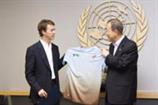
Information // Edward Norton: UN Goodwill Ambassador for Biodiversity Monday // 2.21.2011 Edward Norton: UN Goodwill Ambassador for Biodiversity UN names actor Edward Norton as celebrity advocate for preserving biodiversity 8 July 2010 – Acclaimed actor and conservation activist Edward Norton took on his latest role today, as Secretary-General Ban Ki-moon designated him United Nations Goodwill Ambassador for Biodiversity. More » Messages and Articles by Edward Norton, UN Goodwill Ambassador for Biodiversity 17 September 2010 Article: The US must show leadership on biodiversity 29 September 2010 Message for the Congressional Briefing by Conservation International, Washington, DC In a few weeks, when the 193 parties of the Convention on Biological Diversity converge in Japan to negotiate a new Strategic Plan for 2011-2020, American conservation organizations, scientists, and academics, leaders in the field of saving life on earth, will look on as observers. They will not have an official voice, nor a vote on the final agenda reached at the conference. How sadly ironic, that the country whose initiative gave rise to the CBD and has contributed so much to domestic and global conservation efforts, is not a ratified member of the CBD. Seventeen years have passed since President Bill Clinton sent the Convention on Biological Diversity to the US Senate Foreign Relations Committee to begin the process of ratification. It is time to complete it. Fragile marine and terrestrial ecosystems are disappearing at an alarming rate. Only collective, global action can inhibit or possibly reverse these forbidding trends. As we in the developed world live our lives in relative comfort and ease, we could think of the loss of the world’s biodiversity as a problem primarily facing indigenous or emerging societies in the developing world. But that assessment is dangerously wrong. Biodiversity and healthy ecosystems are the vital underpinnings of all human society. As we come to terms with the devastating effects of the Gulf oil spill, we have observable evidence of our own vulnerability. Food and energy production on land and from the sea, medicine, tourism, real estate, all these industries and others depend on healthy, sustainable ecosystems to flourish and thrive. Only through sustained conservation will future generations of the developed and developing worlds meet their food, health, energy and security needs. If we are to avoid the tipping-points that will put human lives and livelihoods, as well as such irreplaceable services as air and water purification, the renewal of soil fertility, and climate stabilization at risk of irreversible degradation and collapse, we need a full arsenal to succeed. US ratification of the CBD would be among the strongest weapons to confront the negative impacts of deforestation, species extinction, the collapse of coral reefs, loss of fresh water lakes, and ocean acidification and to officially effect domestic and international conservation policy. The obstacles that once hindered US ratification have been removed. US conservation groups have long recognized the value of the CBD, but US business now recognizes it too. None other than the pharmaceutical giant, Merck, writing to the Senate urging ratification, has stated that biodiversity loss can mean the loss of new medicines. As the recent winners of the Equator Initiative Prize have demonstrated, community-based approaches can lead to stunning achievements in biodiversity conservation, poverty reduction, and adaptation to climate change. How much farther could these initiatives go with the full voice and official backing of the United States of America? The US is a global leader in conservation. Our national parks, our protected marine and land regions, our laws protecting endangered species, forests, rivers, streams and oceans are effective, innovative and ground-breaking. Our policy makers and eco-warriors deserve a full voice at the international table which will shape the global biodiversity agenda for years to come. I urge President Obama to aggressively pursue the process of US ratification of the CBD. Let's all look forward to the moment that the United States rejoins the champions of biodiversity and formally dedicates itself as a nation to preserving and protecting life on earth. Press Releases 21st February 2011 - UN Goodwill Ambassador for Biodiversity finds inspiring commitment and action for the environment in visit to Rwanda8th July 2010 - Secretary-General Designates Edward Norton as United Nations Goodwill Ambassador for Biodiversity