ar
|
en
|
es
|
fr
|
ru
|
zh
العربية
|
English
|
Español
|
Français
|
Русский
|
中文
Sign up for an account
|
Sign In
The Convention
About the Convention
History of the Convention
Convention Text
List of Parties
Decisions
Global Biodiversity Outlook (GBO 3)
Convention Protocols
Cartagena Protocol on Biosafety
Nagoya Protocol on Access and Benefit-Sharing
Convention Bodies
Conference of the Parties (COP)
Subsidiary Body on Scientific, Technical and Technological Advice (SBSTTA)
Working Group on the Review of Implementation (WGRI)
Intergovernmental Committee for the Nagoya Protocol (ICNP)
Working Group on Article 8(j)
Working Group on Protected Areas
Strategic Plan for Biodiversity 2011-2020
Key Elements
Aichi Biodiversity Targets
Implementation
United Nations Decade on Biodiversity 2011-2020
Mechanisms for Implementation
National Biodiversity Strategies & Action Plans
National Reports
Financial Resources & Mechanism
LifeWeb for Financing Protected Areas
Clearing-House Mechanism (CHM)
Cooperation & Partnerships
South-South Cooperation
Consortium of Scientific Partners
Rio Conventions
Biodiversity-related Conventions
Japan Biodiversity Fund
Partnership Agreements
Cartagena Protocol
The Cartagena Protocol
What's new
About the Protocol
Text of the Cartagena Protocol
Strategic Plan
Key Protocol Issues
Assessment and Review
Capacity Building
Compliance
Financial Mechanism
Handling, Transport, Packaging and Identification
Information sharing
Liability and Redress
Monitoring and Reporting
Public Awareness and Participation
Risk Assessment
Risk Management
Roster of Experts
Socio-economic Considerations
Parties
List of Parties
Becoming a Party
National Contacts
National Reports
Status of Contributions
COP-MOP (Governing Body)
COP-MOP Bureau
COP-MOP Meetings
COP-MOP Decisions
Activities and Documentation
Meetings and Documents
Notifications
Statements and press releases
Reports of the Executive Secretary
Resources
The Biosafety Clearing-House
Frequently Asked Questions
Media and Outreach
A video on the Cartagena Protocol
Search the BIRC
Publications
Protocols and decisions
Fact Sheets and Banners
Newsletter
Biosafety Technical Series
Other Publications
Nagoya – Kuala Lumpur Supplementary Protocol on Liability and Redress
The Biosafety Clearing-House (BCH)
Nagoya Protocol
Programmes
Thematic Programmes
Agricultural Biodiversity
Dry and Sub-humid Land Biodiversity
Forest Biodiversity
Inland Waters Biodiversity
Island Biodiversity
Marine and Coastal Biodiversity
Mountain Biodiversity
Major Groups
Local Authorities
Parliamentarians
Business
Universities and the Scientific Community
Children & Youth
The Green Wave for Schools
Non-Governmental Organizations (NGOs)
Cross-Cutting Issues
Biodiversity for Development
Climate Change and Biodiversity
Communication, Education and Public Awareness
Economics, Trade and Incentive Measures
Ecosystem Approach
Gender and Biodiversity
Global Strategy for Plant Conservation
Global Taxonomy Initiative
Impact Assessment
Identification, Monitoring, Indicators and Assessments
Invasive Alien Species
Liability and Redress - Article 14.2
Protected Areas
Sustainable Use of Biodiversity
Technology Transfer and Cooperation
Tourism and Biodiversity
Traditional Knowledge, Innovations and Practices - Article 8(j)
New & Emerging Issues
Information
News and Communications
CBD Announcements
Statements
Notifications
News Headlines on Biodiversity
Press Releases
RSS Feeds
Twitter
Facebook
Discussion Forums
National Information
Country Profiles
List of Parties
Lists of National Focal Points
National Biodiversity Strategies and Action Plans (NBSAPs)
National Reports
Status of Contributions
Multimedia
Video Gallery
YouTube
General References
Decisions
Recommendations
Meetings
Library and Documents
Principles, Guidelines and Tools
Resources for Negotiators
ECOLEX - A Gateway to Biodiversity-Related Law
Case Studies
Related Websites
Partnership Agreements
Thematic Databases
Ecosystem Approach Sourcebook
Database on Climate Change Adaptation
Database on Incentive Measures
Database of Scientific Assessments
Database on Technology Transfer
Case Studies on Impact Assessment
Case Studies on Dry and Sub-Humid Land Biodiversity
ABS Measures Search Page
ABS Database on Capacity Building Projects
ABS Roster of Experts
Secretariat
About the Secretariat
Staff
Museum of Nature and Culture
Initiatives
Secretariat Documents
Employment Opportunities
Traditional Knowledge Information Portal
About the TKIP Portal
Customary Use
Meeting on article 10 c
Presentations
Network on customary use
Discussion Forum
Information Exchange
Community Blogs
Community Directory
Photo Gallery
External News
Resources
Bibliographic References
Calendar of Events
Background Material
Further Resources
Related Web Sites
Key Terms
Request for References by WIPO
>
TK Information Portal
>
Customary Use
>
Documents
here
Presentations
here
Network
here
Discussion Forum
here
Meeting on article 10 with a focus on article 10 (c) as a major component of the programme of work on article 8 (j) and related provisions of the Convention
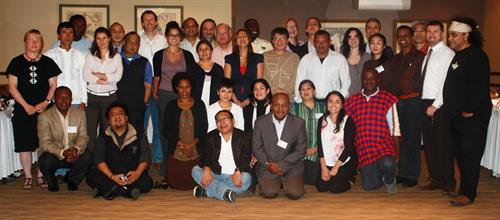
At its tenth meeting, the Conference of the Parties in decision X/43, decided on a new major component of the revised work programme for article 8(j)and related provisions, namely the sustainable use of biological diversity with a focus on customary sustainable use (CBD Article 10 (c)).
The mandate of the meeting within the broader framework of the programme of work on Article 8 (j) and Related Provisions, and as instructed by the Conference of the Parties in Decision X/43 was to provide expert advice,
“building on the Addis Ababa Principles and Guidelines, to develop further guidance on sustainable use and related incentive measures for indigenous and local communities and to consider measures to increase the engagement of indigenous and local communities and governments at national and local level in the implementation of Article 10 and the ecosystem approach”.
The meeting on sustainable use (Article 10) and customary use (article 10(c)) was held at the Best Western Ville-Marie Hotel & Suites, from 31 May to 3 June 2011, in Montreal, Canada.
The participants in the meeting had an opportunity to give shape and substance to this major new task of the work programme, thereby guiding the work of the Parties in the implementation of the new Strategic Plan on Biodiversity for the period 2011-2020, and to make recommendations on elements of a strategy to integrate Article 10 (c) as a cross-cutting issue into the various work programmes of the Convention and thematic areas, beginning with the programme of work on protected areas.
In accordance with the mandate given by COP-10, participants agreed on a set of recommendations and advice to the WG8J-7 on this new task of the work programme, namely by:
Developing further guidance on sustainable use and related incentive measures for ILCs;
Considering measures to increase the engagement of ILCs and Governments at the national and local levels in the implementation of article 10 and the ecosystem approach.
The meeting also developed recommendations on a strategy to integrate article 10 (c) as a cross-cutting issue in the various thematic and other work programmes of the Convention as requested by COP-10.
Finally, one day of this four-day meeting was devoted to operationalising the three indicators adopted for traditional knowledge:
Status and trends of linguistic diversity and numbers of speakers of indigenous languages;
Status and trends in land-use change and land tenure in the traditional territories of indigenous and local communities;
Status and trends in the practice of traditional occupations.
The advice/recommendations developed by the meeting will be submitted to the seventh meeting of the WG8J, next October, for its consideration and will then be submitted to COP-11.
The participants also suggested that the report of the meeting be provided to SBSTTA 15 as an information document. SBSTAA 15 will consider the issue of sustainable use of bushmeat and the participants felt the desire to coordinate our work on these related issues, advancing in various meetings held under the Convention.
Special thanks go to the expert participants for a successful meeting and also to the donor Parties (Canada, Japan, EU, and Norway).
The meeting was a very successful meeting, very much in the good tradition of effective indigenous peoples and local community participation in the CBD processes.
The meeting was characterized by constructive discussions in an informal and friendly atmosphere.
Feedback
Site Map
Contact us
Terms of Use
Privacy Policy
Credits
© CBD Secretariat
Rate this page