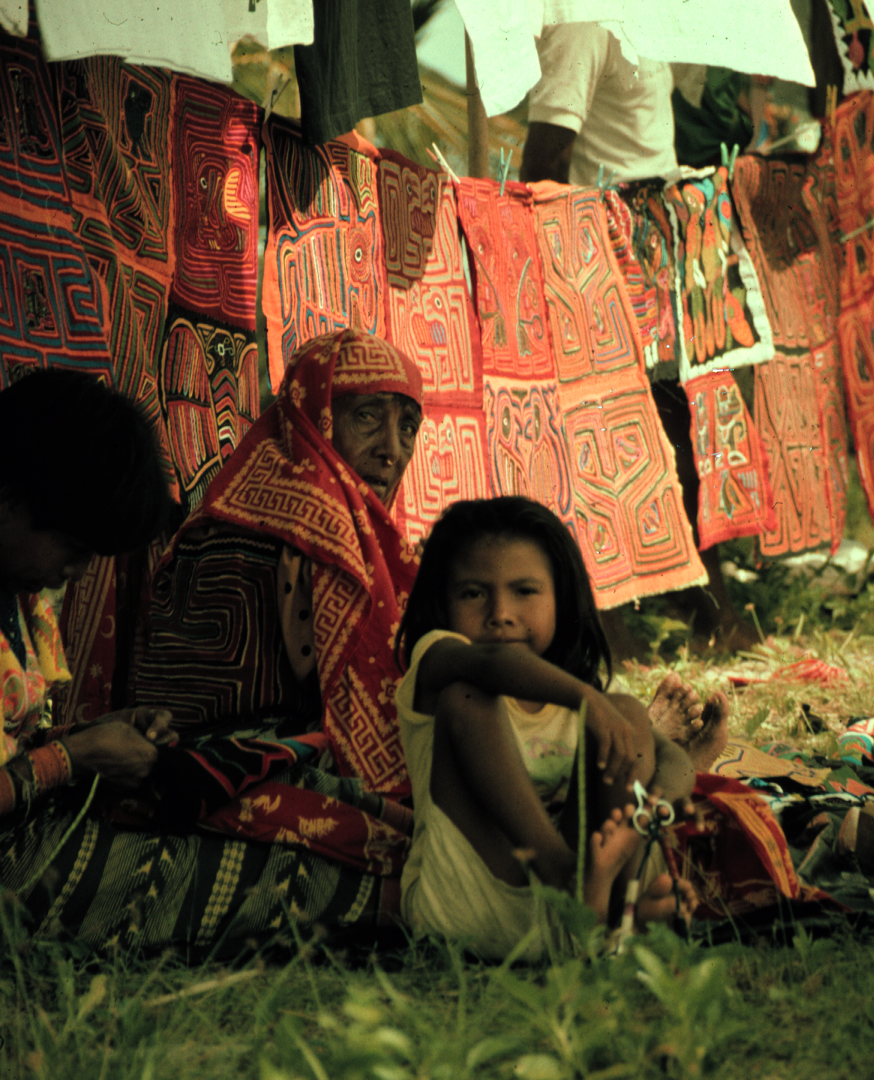
The "Corredor Biológico Mesoamericano del Atlántico Panameño" or "Panama Atlantic Mesoamerican Biological Corridor" (CBMAP) project covers 3 million hectares of terrestrial and marine areas corresponding to 39.7% of the national territory in the Atlantic slopes of the Isthmus of Panama.
The project promotes sustainable development and the improvement of living conditions of rural communities through the conservation, sustainable use and management of biological diversity.
GEF-World Bank and Panamanian funds adding up to US $ 9,245 millions have been invested in the project, under the responsibility of the National Authority for the Environment (ANAM).
The CBMAP has established priority areas for investment based on their biological diversity and social-economic needs. In these areas, the elaboration of community sub-projects encouraging sustainable uses of biological diversity is promoted. At present, there are 79 sub-projects running, for a total investment of around US$1,700,000.
Over half of the sub-projects are carried out by indigenous groups such as Ngöbes-Buglés, Naso-Teribes, Kunas and Emberaes; 28% are executed by farmers and 3% by Afro Panamanian groups.
The Ecotourism Sub-Project of Salt Creek
Salt Creek, a poverty-challenged community organized according to the Ngöbe traditional structure, is promoting ecotourism as a sustainable activity with a low impact on biological resources. In addition to conventional activities, such as fishing, lobster diving, carbon production with mangroves and subsistence agriculture, the sub-project is offering new income opportunities and a tool to improve the quality of life of residents.
The Salt Creek Community has been actively involved in ecotourism activities and has succeeded the reconstruction of some access roads to the community, such as the access pier to the town and the construction of a path going from the Long Beach up to the tourist huts, the opening of a restaurant and the construction of a new hut.
The Sub-Project on Aquaculture, Agro-forest and craft development of La Gloria
The community of La Gloria is composed of families from the Ngöbe-Buglé ethnic group (95%) and Latin and Afro Panamanian groups (5%).
This sub-project is managed by 22 women belonging to the Organization of Rural Women and it is aimed the improvement of the protean diet in the region, through the promotion of aquaculture, and the harvest of timber, fruits and bananas for soil recovery, as well as the improvement of craft techniques by means of training and the purchase of equipment.
The exemplary organization of the group of rural women has reinforced their leadership capacity and has stimulated community support and Nicaragua participation. The local community is now more aware of the negative impacts of deforestation and tree felling and actively involved in the sustainable use of biological resources.
