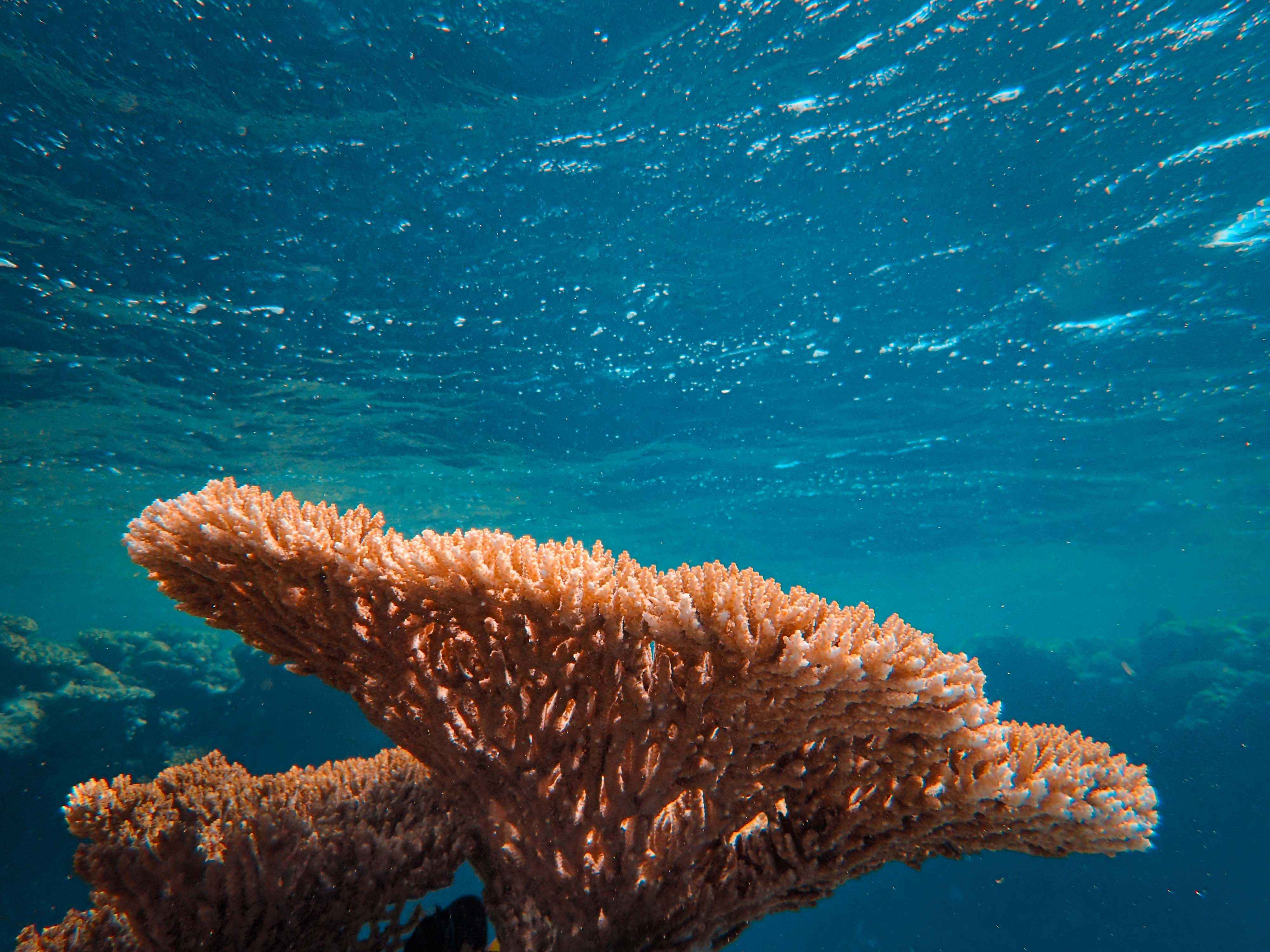
 Francesco Ungaro/ Pexels
The CBD Executive Secretary’s statement on World Oceans Day 2026
Statement by the Executive Secretary of the Convention on Biological Diversity, Astrid Schomaker, on World Oceans Day
“Reimagine”—the theme of World Oceans Day this year—is an invitation to all of us to see and protect the ocean for what it really is—an essential component of Earth’s infrastructure of life.
The ocean connects continents and people, underpins the global economy, feeds billions, and nurtures culture, heritage and art. it regulates the climate and hosts a sizeable portion of the diversity of genes and species on the planet.
This year sees the first World Oceans Day in the wake of the historic entry into force of the Biodiversity Beyond National Jurisdiction (BBNJ) Agreement. The experience that Parties have accumulated under the Convention on Biological Diversity (CBD) and its Protocols can generate the necessary propulsion that the fresh BBNJ implementation journey will require.
We at the Secretariat of the CBD will continue to support national efforts for the Ocean, including through the Sustainable Ocean Initiative (SOI) and the science-based process to describe ecologically or biologically significant marine areas (EBSAs). On this World Oceans Day, we invite you to be part of a rising tide of implementation of the Kunming-Montreal Global Biodiversity Framework (KMGBF).
The KMGBF is the universal blueprint to halt and reverse biodiversity loss. Its 23 targets apply to all biomes, including marine and coastal ecosystems. The iconic Target 3—which includes conserving 30 per cent of the ocean by 2030—has helped expand protected areas, but we must also look beyond the numbers. Halting and reversing ocean biodiversity loss requires a multidimensional, whole-of-society endeavour that combines area coverage adequately representing all marine ecoregions and hotspots with effective and inclusive protection supported by stable finance..
We also must do more to increase synergies across our Conventions and United Nations bodies, including streamlining obligations under Multilateral Environmental Agreements (MEAs) related to marine protection. The fragmented landscape of MEAs in particular is burdening many Parties, especially small island developing States, with multiple planning, monitoring and reporting obligations.
Today and every day, let us “reimagine” ways in which we can all work together, more effectively, to protect the ocean and live in harmony with nature.