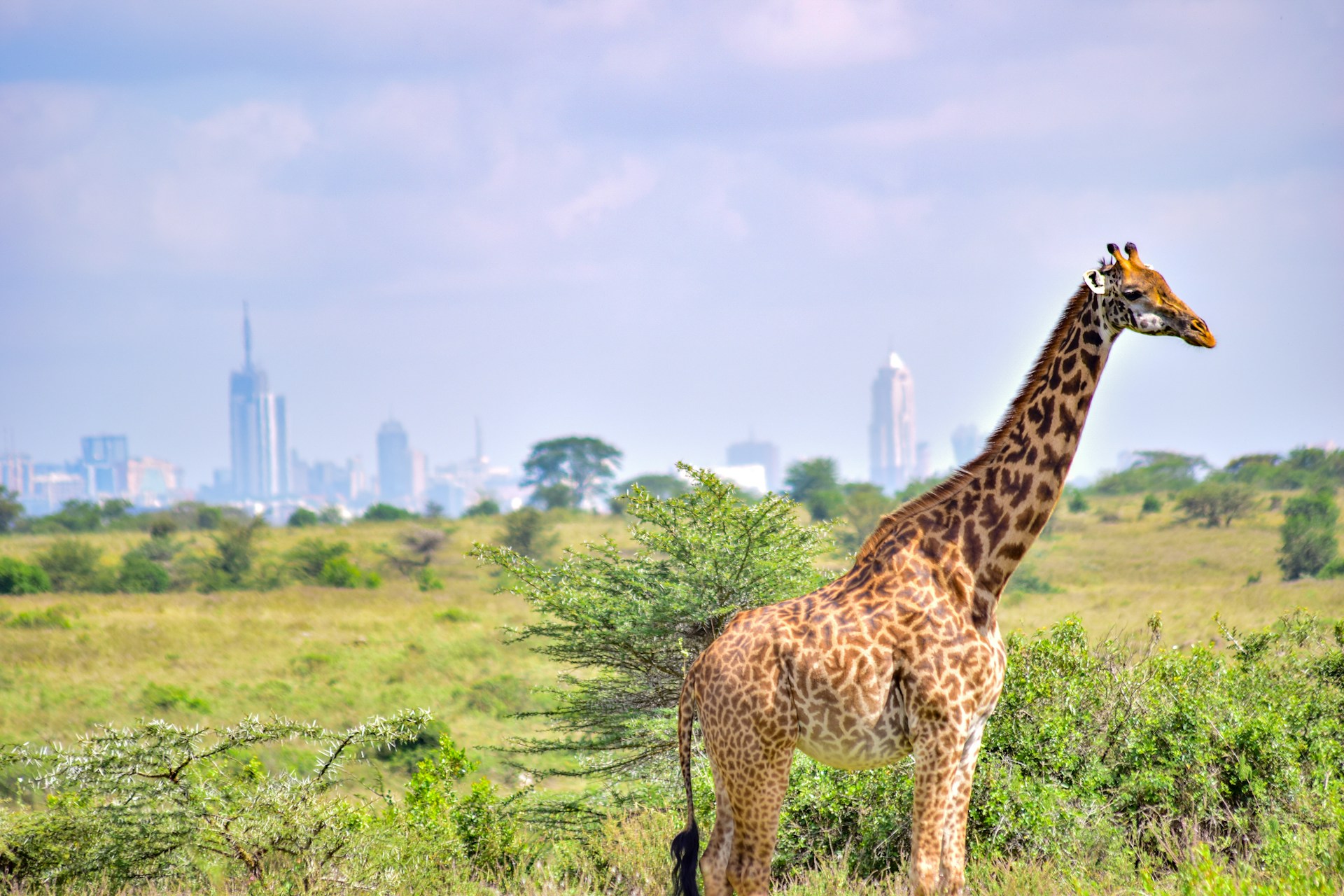
 Grace Nandi/ Unsplash
SBSTTA-28 closes in Nairobi
In the late evening hours of 1st August, the Chair of the 28th meeting of the Subsidiary Body on Scientific, Technical and Technological Advice (SBSTTA-28) for the Convention on Biological Diversity, Mr. Jean-Bruno Mikissa of Gabon, gaveled the meeting to a close.
Marked by a constructive spirit, the meeting led to important progress on numerous scientific and technical issues that underpin the implementation of the Kunming-Montreal Global Biodiversity Framework (KMGBF) and, more broadly, the Convention and its Protocols.
This effort paves the way for the 2026 UN Biodiversity Conference in October in Yerevan, where Parties will consider the Subsidiary Body’s recommendations and focus on bridging remaining divergences and charting pathways for the accelerated implementation of the KMGBF.
SBSTTA-28 is being immediately followed by the 7th meeting of the Subsidiary Body on Implementation (SBI-7), happening from 4-12 August 2026, also in Nairobi. See media information here on both 2026 Nairobi meetings, including press releases.
Summary of progress that Parties achieved at SBSTTA-28
The recommendation adopted by SBSTTA-28 constitutes a first and crucial step in the uptake of its findings, ahead of the global review of progress that will take place at COP 17. In crafting the recommendation, Parties specifically agreed on recognizing the progress and gaps in the implementation of the Framework and agreed to welcome the fact that action has been taken across all 23 targets of the Framework and that actors other than national Governments, including indigenous peoples and local communities, subnational governments, cities, and other local authorities, intergovernmental organisations, other multilateral environment agreements, nongovernmental organisations, women, youth, research organisations, the business and finance community, and representatives of sectors related to or dependent on biodiversity have taken action to implement the Framework.
The Parties also noted “with deep concern” that, unless collective implementation urgently accelerates, the Framework will not be achieved.
A list of all documents for SBSTTA-28 can be found here.
A recommendation was also adopted by SBSTTA-28, setting out steps to further operationalize the monitoring framework of the KMGBF, including the headline indicators, which constitute a central component of national reporting under the Convention.
A list of all documents for SBSTTA-28 can be found here.
SBSTTA-28 recommended to strengthen the scientific and technical work supporting ecologically or biologically significant marine areas (EBSAs), helping ensure governments and other stakeholders have the scientific information needed to inform conservation and sustainable management of these areas. This included forwarding the first EBSA submissions under the new modalities adopted at COP 16 for consideration at COP 17, extending the EBSA Informal Advisory Group, and recommending voluntary peer-review guidance to strengthen future submissions. A global expert workshop and other scientific work were also recommended to strengthen the EBSA process.
A list of all documents for SBSTTA-28 can be found here.
The SBSTTA-28 recommendation on synthetic biology captures progress on a thematic action plan for synthetic biology to strengthen capacity-building, access to and transfer of technology, and knowledge-sharing. The plan was recognised as an important tool to address inequities in the participation of developing countries in synthetic biology. Parties also agreed to undertake a stocktaking exercise on the Convention's work on synthetic biology since 2010 to help inform future discussions, including mapping the work of other relevant organizations, to help inform future discussions.
A list of all documents for SBSTTA-28 can be found here.
At SBSTTA-28, significant progress has been made in considering the global voluntary guidance on the sustainable management of wildlife, applicable to multiple species and multiple practices. The purpose of the Guidance is to provide countries with a comprehensive framework for conserving and sustainably using wild species across multiple species, ecosystems, and management practices. Recognizing that wildlife management crosses sectors and activities, the SBSTAA-28 recommendation emphasizes the importance of collaboration among governments, international organisations, and other partners.
A list of all documents for SBSTTA-28 can be found here.
SBSTTA-28 provided input for the update of the PoWPA, which supports the implementation of Target 3 of the KMGBF. The Subsidiary Body’s input comes in the context of the first update of the Programme of Work since its adoption in 2004. Recognising its importance in guiding the planning and management of protected areas, Parties agreed on the need for additional focus and guidance, especially concerning the qualitative aspects of Target 3. These include ecological connectivity, integrity and representativeness, as well as governance. The SBSTTA-28 recommendation also reiterates the importance of partnerships, including with indigenous peoples and local communities, women, and youth.
A list of all documents for SBSTTA-28 can be found here.
SBSTTA-28 produced a recommendation to COP 17 on the matters related to the work programme of the Intergovernmental Science-Policy Platform on Biodiversity and Ecosystem Services (IPBES), focusing on the recent Business and Biodiversity Assessment and how it can be taken into account in the context of the implementation of the KMGBF. SBSTTA-28 also recommended inviting IPBES to strengthen the policy relevance of its deliverables, and to consider the messages of the global review to be undertaken at COP 17.
A list of all documents for SBSTTA-28 can be found here.