| ID | 4643 | 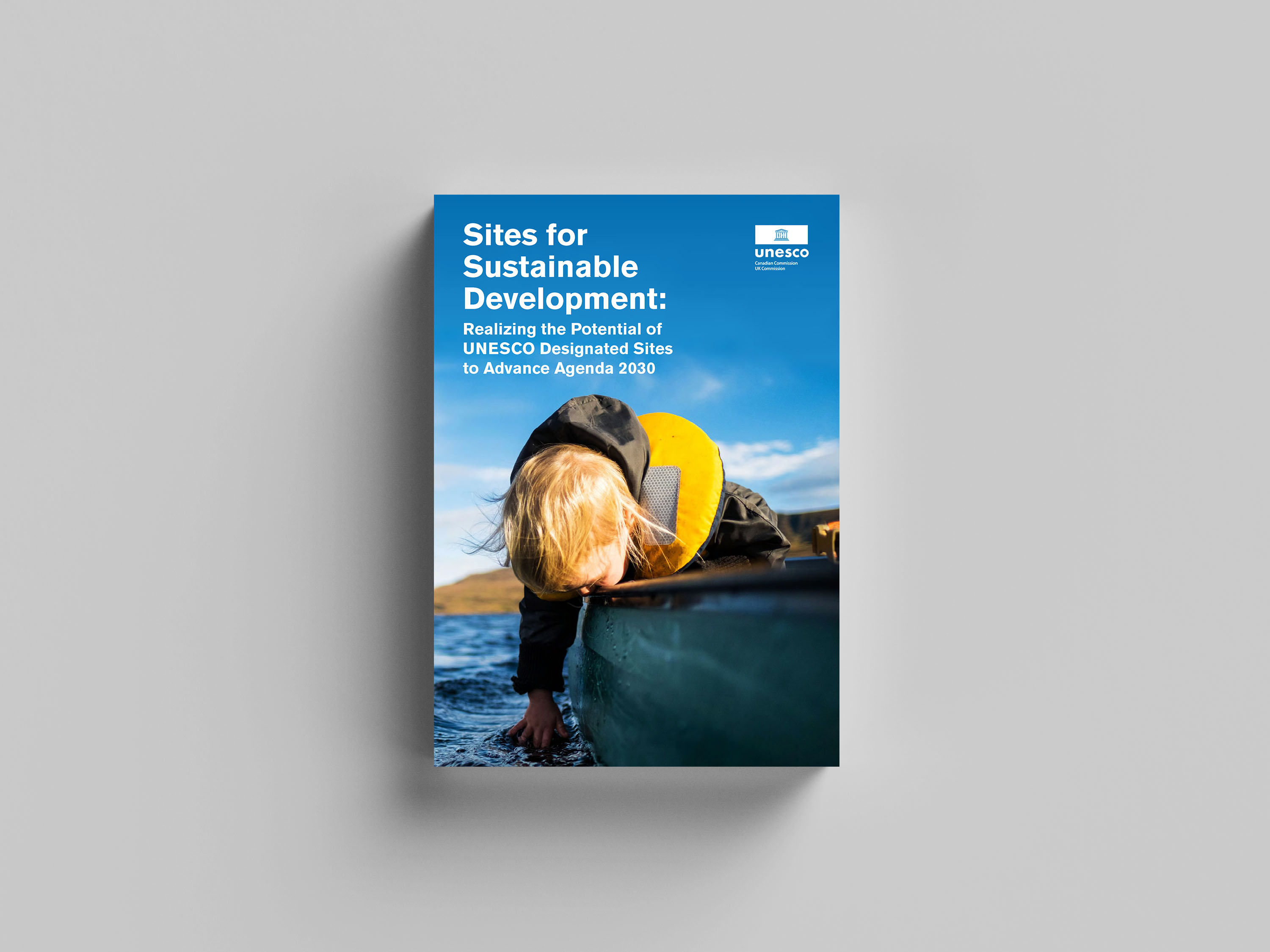 |
|||||||||||||||||||
|---|---|---|---|---|---|---|---|---|---|---|---|---|---|---|---|---|---|---|---|---|---|
| Conference | WG2020-5 / COP-15 / CP-MOP-10 / NP-MOP-4 |
||||||||||||||||||||
| Meetings(s) | COP-15 Fifteenth meeting of the Conference of the Parties to the Convention on Biological Diversity (Part Two) |
||||||||||||||||||||
| Title | Sites for Sustainable Development: UNESCO sites at the forefront of innovative local solutions to the global biodiversity crisis | ||||||||||||||||||||
| Hosts |
UNESCO |
CCUNESCO |
UKNC |
DEUNESCO |
|
||||||||||||||||||||
| Topics |
Sustainable Development / Millenium Development Goals Post 2020 Framework Implementation of the Convention on Biological Diversity Indigenous peoples and local communities Protected Areas and OECMs Exchange of Information
|
||||||||||||||||||||
| Aichi Biodiversity Targets | |||||||||||||||||||||
|
|
|||||||||||||||||||||
|
Opening remarks and presentation “Sites for Sustainable Development: Realizing the Potential of UNESCO Designated Sites to Advance Agenda 2030” - Key highlights from the report (https://unesco.org.uk/wp-content/uploads/2022/09/sites_for_-sustainable_development_main_report.pdf) produced by the UK and Canadian National Commissions for UNESCO. The report shows that the global network of UNESCO designated sites (covering 10 million km2 and protecting the world’s most important natural sites) face a range of global challenges including decline in habitat and loss of biodiversity. However, it also shows that, with additional support, they can be at the forefront of generating and sharing innovative local approaches to tackling these challenges. For the first time, it provides a framework that groups Biosphere Reserves, Global Geoparks and World Heritage Sites as UNESCO sites for sustainable development - for how they connect global goals to local actions, and contain the structures to effect real, long-lasting progress towards Agenda 2030 and global biodiversity targets. Roundtable discussion – how UNESCO designated sites: World Heritage Sites, global geoparks and biosphere reserves—can mobilize all sections of society to implement the post-2020 global biodiversity framework from local to global. To meet local and global biodiversity goals, as per the post 2020 global biodiversity framework, we need to bring people, communities, businesses, and organizations together with cultural and natural protected areas to mobilize solutions locally, regionally, and internationally. This is exactly what UNESCO sites do. This side event will illustrate how biosphere reserves, global geoparks and world heritage sites are ideally positioned to implement the post-2020 global biodiversity framework, by virtue of their holistic and participatory approaches to governance and management, and membership of global networks that facilitate the sharing of innovative solutions and approaches. Audience Q&A with panelists 4. Closing remarks Lunch will be provided.
Error as occured...
Error as occured...
Error as occured...
|
|||||||||||||||||||||
| Documents |
|
||||||||||||||||||||


 AICHI-TARGET-01
 AICHI-TARGET-02
 AICHI-TARGET-07
 AICHI-TARGET-11
 AICHI-TARGET-19