| ID | 4783 |  |
||||||||||||||||||
|---|---|---|---|---|---|---|---|---|---|---|---|---|---|---|---|---|---|---|---|---|
| Date |
Friday 2022.12.16 @ 13:15 Add to Calendar |
|||||||||||||||||||
| Room | Salween 514A Capacity: 59 people |
|||||||||||||||||||
| Conference | WG2020-5 / COP-15 / CP-MOP-10 / NP-MOP-4 |
|||||||||||||||||||
| Meetings(s) | COP-15 Fifteenth meeting of the Conference of the Parties to the Convention on Biological Diversity (Part Two) |
|||||||||||||||||||
| Title | COMDEKS Phase 4: Contribution of the Satoyama Initiative to the Post-2020 Global Biodiversity Framework | |||||||||||||||||||
| Hosts |
UNDP |
GEF-SGP |
MOEJ |
UNU-IAS |
GEF |
CBD |
KNCF |
|
|||||||||||||||||||
| Topics |
Agricultural Biodiversity Mountain Biodiversity Marine and Coastal Biodiversity Forest Biodiversity Conference of the Parties Post 2020 Framework Implementation of the Convention on Biological Diversity Capacity-building and Development Indigenous peoples and local communities Biodiversity for Development Sustainable Use of Biodiversity
|
|||||||||||||||||||
| Aichi Biodiversity Targets | ||||||||||||||||||||
|
|
||||||||||||||||||||
|
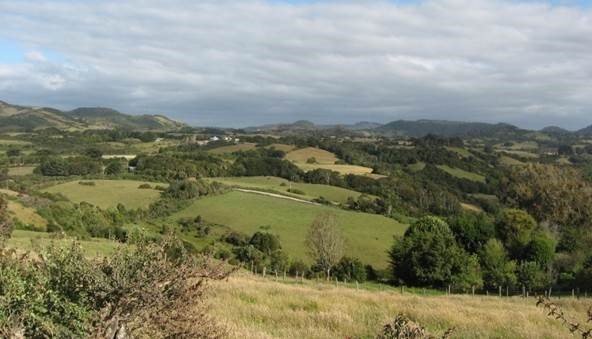
The COP15 side event will launch the fourth phase of the Community Development and Knowledge Management for the Satoyama Initiative (COMDEKS) implemented by the UNDP through the GEF Small Grants Programme, with funding from the Ministry of the Environment Japan (MOEJ), the Keidanren Nature Conservation Fund (KNCF), and cofinancing from the Global Environment Facility (GEF). The side event will highlight the enduring relevance of the Satoyama Initiative to the Post-2020 Global Biodiversity Framework (GBF), and the contribution of the initiative to the UN Decade on Ecosystem Restoration and Sustainable Development Goals (SDGs). The Satoyama Initiative is a global effort to advance the concept of “socio-ecological production landscapes and seascapes” (SEPLS) for nature and human well-being. The International Partnership for the Satoyama Initiative (IPSI) was established in 2010 during the 10th Conference of the Parties (CBD COP10), and now consists of nearly 300 governmental, NGO, academic, private sector, and other member organizations. Its core vision is to realize societies in harmony with nature, built on positive human-nature relationships. In line with the vision of the Post-2020 GBF, restoring humanity’s relationship with nature is urgently needed to achieve a green and healthy recovery to multiple planetary crises. The side event will focus on the roles of local actions and partnerships in landscape and seascape approaches to ecosystem restoration, including a number of other effective area-based conservation measures (OECMs), for the promotion of sustainable development in a socially inclusive and effective manner. The side event will include representatives from MoEJ, KNCF, SCBD, UNDP, GEF, national governments and local stakeholders. Participants will have the opportunity to discuss key lessons from the first three phases of COMDEKS, implemented in twenty countries across all regions, and explore means of upscaling and mainstreaming these lessons into global and national policy through the 4th Phase of the COMDEKS, IPSI and contribute to the commitment of the Post-2020 GBF.
Error as occured...
Error as occured...
Error as occured...
|
||||||||||||||||||||
| Documents |
|
|||||||||||||||||||


 AICHI-TARGET-07
 AICHI-TARGET-13
 AICHI-TARGET-15
 AICHI-TARGET-18
 AICHI-TARGET-20
 AICHI-TARGET-04