| ID | 6568 |  |
||||||||||||||||||||||||
|---|---|---|---|---|---|---|---|---|---|---|---|---|---|---|---|---|---|---|---|---|---|---|---|---|---|---|
| Date |
Tuesday 2024.10.29 @ 18:00 Add to Calendar |
|||||||||||||||||||||||||
| Room | Cocuy - Marie Khan Women's Caucus meeting room Plaza One Capacity: 90 people |
|||||||||||||||||||||||||
| Conference | SBI-05 / COP-16 / CP-MOP-11 / NP-MOP-05 |
|||||||||||||||||||||||||
| Meetings(s) | COP-16 Sixteenth meeting of the Conference of the Parties to the Convention on Biological Diversity |
|||||||||||||||||||||||||
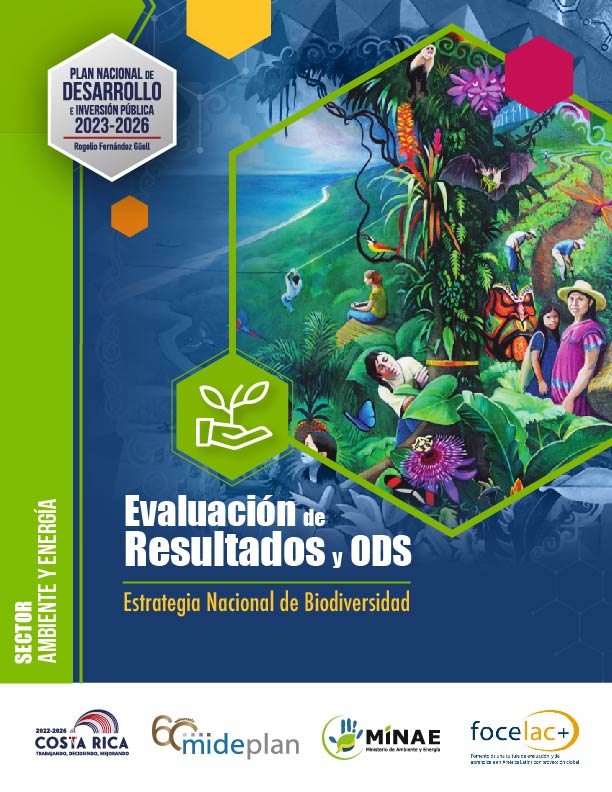
| Title | Evaluating, Aligning, and Updating Costa Rica's National Biodiversity Strategy to Meet Kunming-Montreal Goals | |||||||||||||||||||||||||
| Hosts |
Costa Rica |
MINAE |
CR |
CR |
|
|||||||||||||||||||||||||
| Topics |
Planning Post 2020 Framework Reporting Implementation of the Convention on Biological Diversity Communication, Education and Public Awareness Kunming-Montreal Global Biodiversity Framework
|
|||||||||||||||||||||||||
|
|
||||||||||||||||||||||||||
|
Since 2016, Costa Rica has had a National Biodiversity Strategy as a public policy instrument to plan, implement, and monitor national actions to preserve the country's biodiversity. Thirty public institutions and civil society organizations are responsible for the 100 national targets, with more than 115 indicators aligned with the Sustainable Development Goals (SDGs). The Ministry of Environment and Energy (MINAE) and the Ministry of National Planning and Economic Policy included an Evaluation of the National Biodiversity Strategy as part of the National Evaluation Agenda to seek opportunities for improvement in the implementation processes of the Strategy. The evaluation process began in September 2023 and ended in June 2024, and included the perspective of the SDGs and the 2030 Agenda. Costa Rica is probably the first country in the world to conduct such an assessment for its National Biodiversity Strategy, setting an example for the rest of the countries of the importance of evaluating environmental public policies. The evaluation used the principles of the 2030 Agenda as the main criteria, focusing on aspects of design, management, and results of interest to MINAE. Collaboration with German international cooperation has been an important part of this process. The results of this evaluation provide significant input for updating the strategy and extending its action plan. Also, as a country, we have defined a roadmap for updating NBSAP2 and fulfilling its obligations under the CBD that will use the results of the evaluation as a fundamental element in this matter. The main milestones of this process are the following: • Report on the state of biodiversity and seventh report to the CBD: this is a basic input for updating the NBSAP, as it shows the state of biodiversity to better define the public policy actions to be addressed with the strategy. In this side event, we will share our work experience focusing on 4 main questions: What have we done? How have we done it? Why did we do it? What results have we achieved so far?
Error as occured...
Error as occured...
Error as occured...
Error as occured...
|
||||||||||||||||||||||||||
| Documents |
|
|||||||||||||||||||||||||