| ID | 7184 | 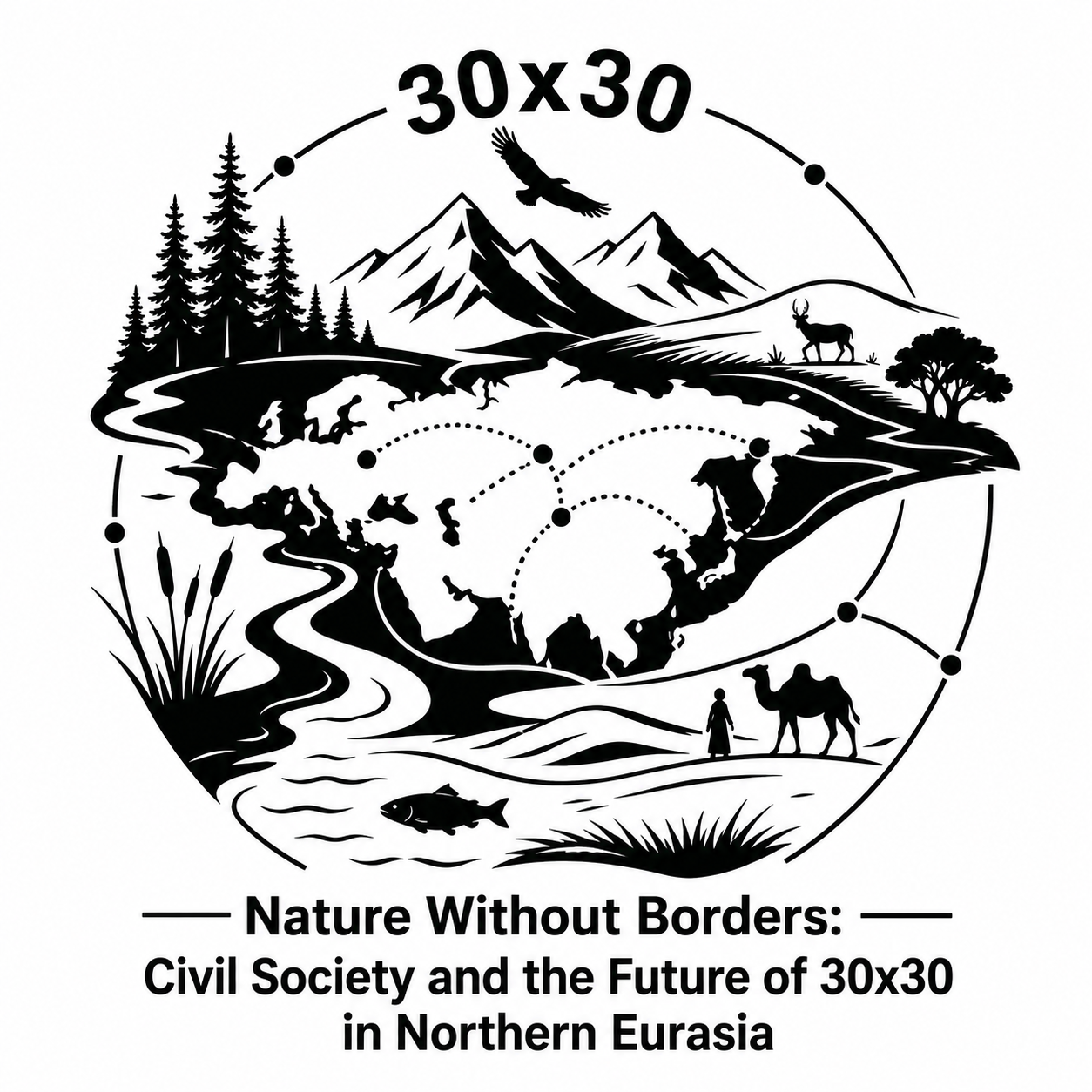 |
||||||||||||||||||||||||
|---|---|---|---|---|---|---|---|---|---|---|---|---|---|---|---|---|---|---|---|---|---|---|---|---|---|---|
| Date |
Tuesday 2026.10.27 @ 15:00 Add to Calendar |
|||||||||||||||||||||||||
| Room | Spitak - Side-event Room 2 - Level 2 Capacity: 95 people |
|||||||||||||||||||||||||
| Conference | COP-17 / CP-MOP-12 / NP-MOP-06 |
|||||||||||||||||||||||||
| Meetings(s) | COP-17 Seventeenth meeting of the Conference of the Parties to the Convention on Biological Diversity |
|||||||||||||||||||||||||
| Title | Nature Without Borders: Civil Society and the Future of 30x30 in Northern Eurasia | |||||||||||||||||||||||||
| Hosts |
BIOM |
ACBK |
RwB |
SSFECF |
EcoLur |
|
|||||||||||||||||||||||||
| Topics |
Ecosystem Approach and Restoration Protected Areas and OECMs Planning Mountain Biodiversity Traditional Knowledge, Innovations and Practices Kunming-Montreal Global Biodiversity Framework Implementation of the Convention on Biological Diversity Stakeholder Engagement and Cooperation
|
|||||||||||||||||||||||||
|
|
||||||||||||||||||||||||||
|
Northern Eurasia (the northern half of Eurasian Continent) represents one of the world’s largest remaining interconnected ecological spaces — stretching across the Eurasian steppes, vast mountain systems, great cold deserts, major rivers and other inland waters, forests, and marine ecosystems of the Black and Caspian Seas. At the same time, the region faces accelerating biodiversity loss, ecosystem fragmentation, climate vulnerability, and increasing pressure on natural resources. This side event will bring together conservation NGOs, civil society leaders, experts, and regional stakeholders to explore how North Eurasia can become a globally significant region for implementation of the Kunming-Montreal Global Biodiversity Framework (KMGBF), particularly Goal A and Targets 2 and 3 related to ecological connectivity, ecosystem restoration, and the global 30x30 agenda. The event aims to move beyond abstract global commitments toward practical regional cooperation and scalable solutions. Discussions will focus on how protected areas, ecological corridors, Other Effective Area-Based Conservation Measures (OECMs), including community-led conservation initiatives, can jointly contribute to maintaining ecosystem integrity and resilience across transboundary landscapes. A central focus of the session will be the unique role of civil society as a driver of innovation, cooperation, monitoring, and accountability in biodiversity governance. Participants will present practical experiences and emerging solutions from across the region, including: The event will also highlight the outcomes of a regional consultation process conducted through preparatory webinars in July–September 2026. These consultations are designed to ensure that perspectives from remote regions and underrepresented civil society actors — often excluded from global biodiversity negotiations due to distance, political constraints, or financial barriers — are meaningfully integrated into COP-17 discussions. Importantly, the side event seeks to catalyze long-term regional cooperation and investment. North Eurasia remains significantly underrepresented in global biodiversity financing despite its immense ecological importance for migratory species, climate resilience, freshwater security, and continental ecological connectivity. The session will therefore explore opportunities for: Participants will conclude by discussing the requirements and opportunities for establishing a lasting regional civil society platform to support KMGBF implementation across Northern Eurasia and foster long-term cooperation among global civil society, regional governmental agencies, international financial institutions, and other key stakeholders. This event is co-organized by BIOM (Kyrgyzstan), the Rivers without Boundaries (Kazakhstan), the IUCN Central Asia Regional Office in Tashkent (Uzbekistan), and Ecolur (Armenia).
Error as occured...
Error as occured...
Error as occured...
Error as occured...
|
||||||||||||||||||||||||||
| Documents |
|
|||||||||||||||||||||||||

