| ID | 7252 | 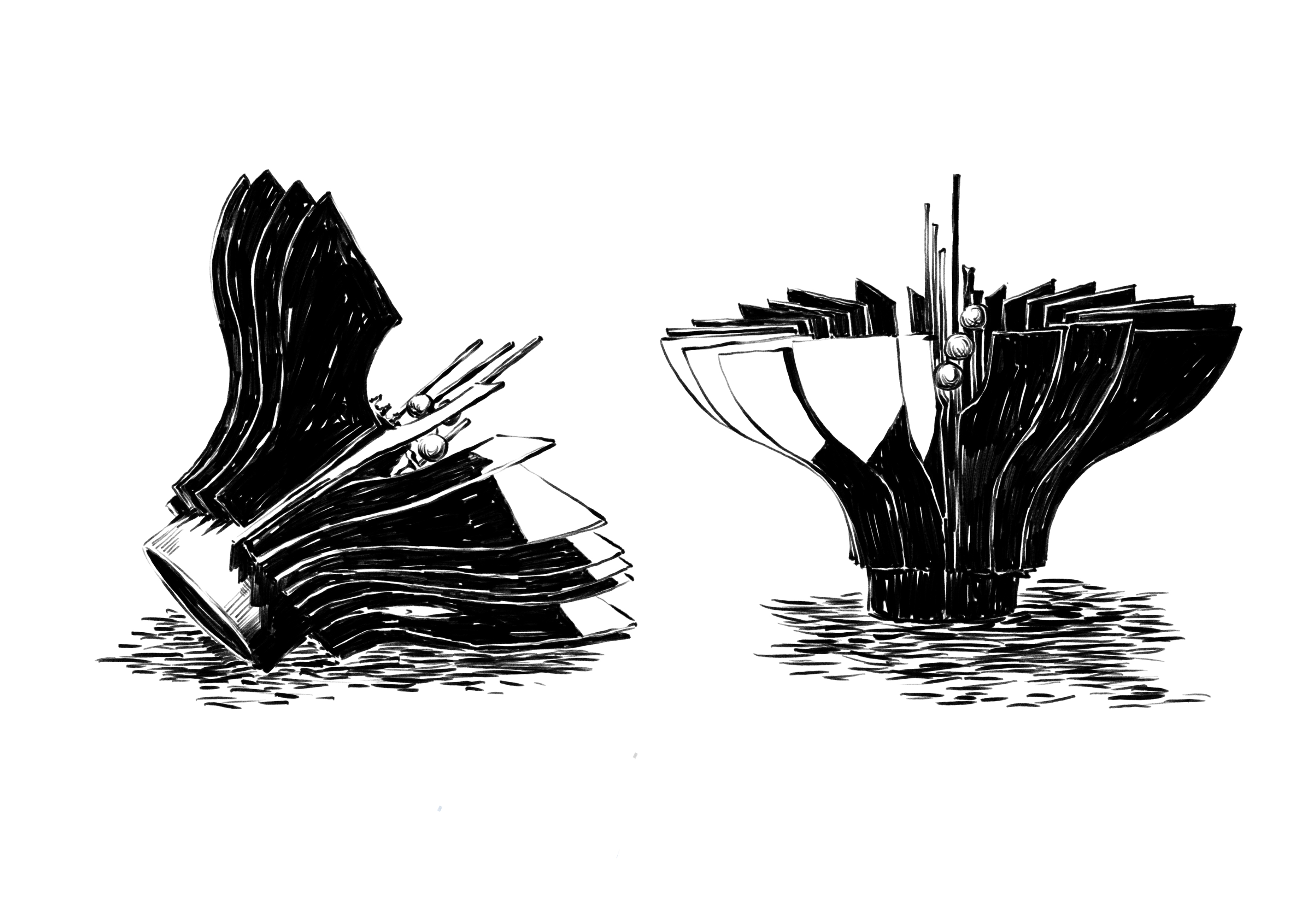 |
||||||||||||||||||||||||
|---|---|---|---|---|---|---|---|---|---|---|---|---|---|---|---|---|---|---|---|---|---|---|---|---|---|---|
| Date |
Wednesday 2026.10.21 @ 15:00 Add to Calendar |
|||||||||||||||||||||||||
| Room | Spitak - Side-event Room 2 - Level 2 Capacity: 95 people |
|||||||||||||||||||||||||
| Conference | COP-17 / CP-MOP-12 / NP-MOP-06 |
|||||||||||||||||||||||||
| Meetings(s) | COP-17 Seventeenth meeting of the Conference of the Parties to the Convention on Biological Diversity |
|||||||||||||||||||||||||
| Title | Blue Yerevan: Rethinking Urban Water Heritage | |||||||||||||||||||||||||
| Hosts |
CSNL |
|
|||||||||||||||||||||||||
|
|
||||||||||||||||||||||||||
|
Within the framework of COP17, the Cultural and Social Narratives Laboratory (CSN Lab) presents one of its long-term environmental research initiatives, Blue Yerevan, to explore the intersections of biodiversity, urban freshwater ecosystems, culture, and community life. Blue Yerevan is a long-term cross-disciplinary research project that investigates the transformation of Yerevan's rivers, lakes, springs, reservoirs, fountains, and other urban water bodies, examining their ecological role alongside their cultural, social, and historical significance. Situated at the intersection of environmental research, urban studies, environmental anthropology, and memory studies, the project combines archival research, fieldwork, oral histories, mapping, artistic practices, and community engagement to understand urban blue spaces as both ecological systems and cultural landscapes. It explores how freshwater ecosystems contribute not only to biodiversity, ecosystem resilience, and climate adaptation, but also to collective memory, everyday practices, local identities, and public life. By reconnecting ecological knowledge with cultural narratives, Blue Yerevan proposes an interdisciplinary framework for understanding, protecting, and restoring urban blue spaces. The proposed side event will take the form of a project presentation followed by a panel discussion featuring three project authors and one moderator. Bringing together perspectives from architecture, urban studies, anthropology, environmental research, and cultural practice, the discussion will explore how biodiversity conservation can benefit from stronger connections between environmental and cultural approaches. It will reflect on how cultural practices and everyday life are deeply interconnected with ecological systems, how communities develop eco-cultural relationships with rivers and other water bodies, and how the degradation of urban freshwater ecosystems affects not only biodiversity but also cultural memory, public space, and social cohesion. The event will further demonstrate how culture can become a powerful catalyst for environmental awareness and biodiversity action, engaging not only ecologists and environmental practitioners, but also architects, urban planners, anthropologists, sociologists, artists, policymakers, and local communities in protecting and restoring urban freshwater ecosystems. Through the Blue Yerevan case, the discussion aims to contribute to international dialogue on integrating cultural perspectives into biodiversity conservation, urban planning, and the implementation of the Kunming–Montreal Global Biodiversity Framework.
Error as occured...
Error as occured...
Error as occured...
Error as occured...
|
||||||||||||||||||||||||||
| Documents |
|
|||||||||||||||||||||||||

