| ID | 7595 |  |
||||||||||||||||||||||||||||||||||||||||||
|---|---|---|---|---|---|---|---|---|---|---|---|---|---|---|---|---|---|---|---|---|---|---|---|---|---|---|---|---|---|---|---|---|---|---|---|---|---|---|---|---|---|---|---|---|
| Date |
Monday 2026.10.19 @ 15:00 Add to Calendar |
|||||||||||||||||||||||||||||||||||||||||||
| Room | Talin - Side-event Room 1 - Level 2 Capacity: 65 people |
|||||||||||||||||||||||||||||||||||||||||||
| Conference | COP-17 / CP-MOP-12 / NP-MOP-06 |
|||||||||||||||||||||||||||||||||||||||||||
| Meetings(s) | COP-17 Seventeenth meeting of the Conference of the Parties to the Convention on Biological Diversity |
|||||||||||||||||||||||||||||||||||||||||||
| Title | Trash to Treasure: Community-Led Circular Economy for Marine Plastic Recovery, Biodiversity Protection and Green Jobs | |||||||||||||||||||||||||||||||||||||||||||
| Hosts |
IUCN |
ORG WAITING FOR APPROVAL |
|
|||||||||||||||||||||||||||||||||||||||||||
|
|
||||||||||||||||||||||||||||||||||||||||||||
|
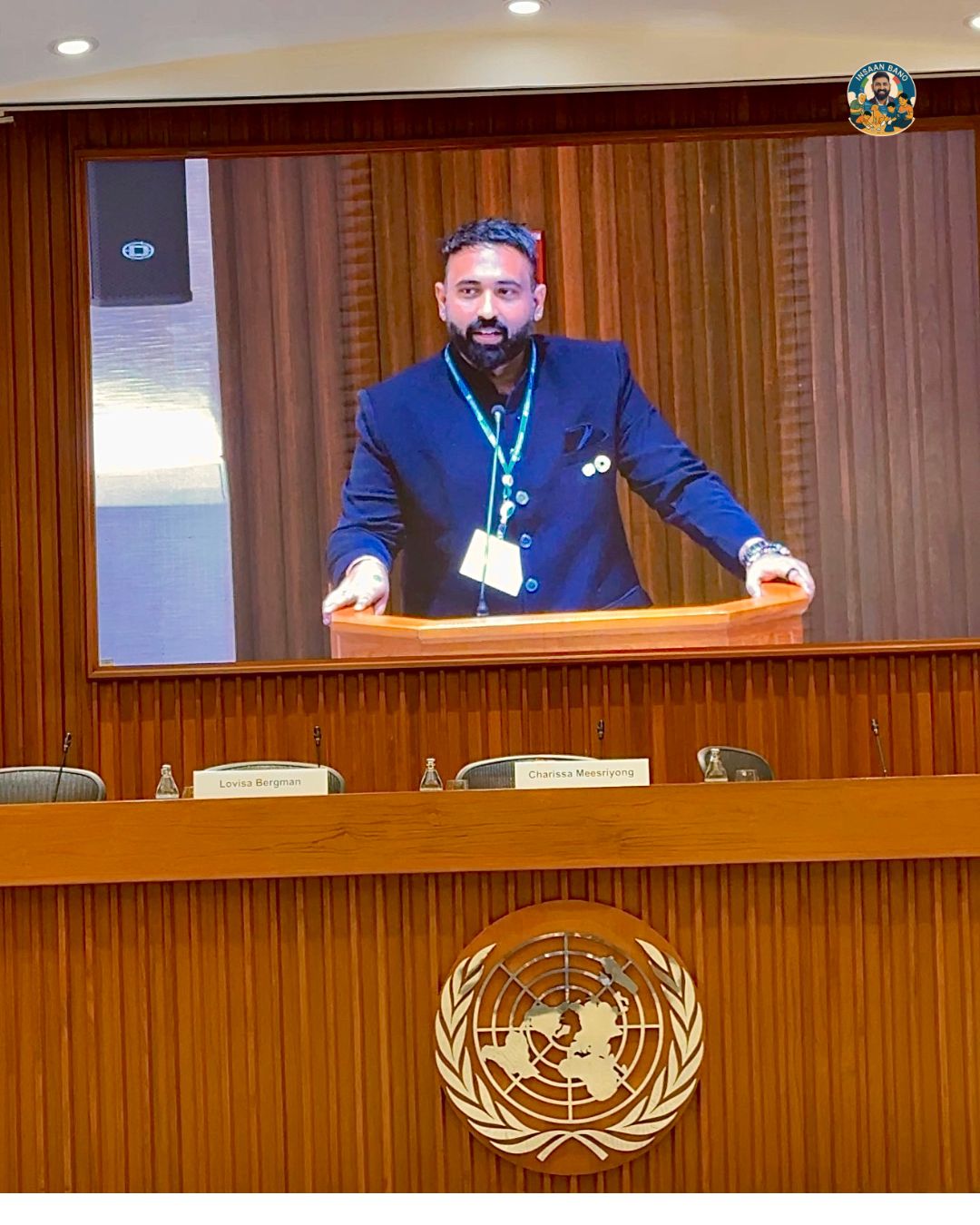
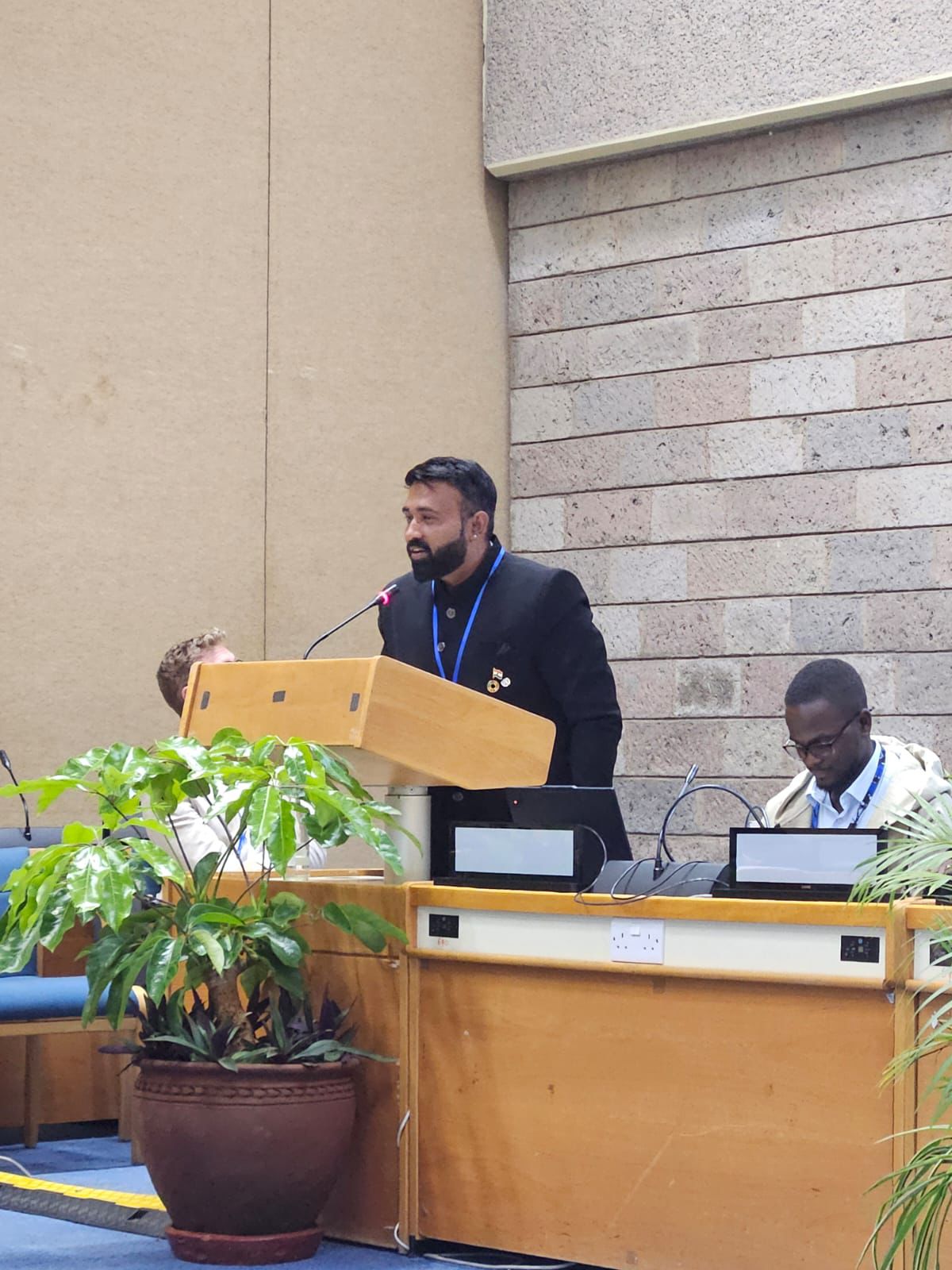
Marine plastic pollution is one of the most visible and urgent threats to coastal biodiversity, ocean health and community wellbeing. Plastic waste entering beaches, drains, rivers and marine ecosystems affects marine species, coastal habitats, fisher communities, public health and the larger biodiversity chain. While beach clean-ups are important, Khushiyaan Foundation believes that cleaning alone is not enough. The real solution begins when recovered waste is responsibly collected, segregated, processed and converted into value. Khushiyaan Foundation’s flagship initiative Trash to Treasure is a community-led circular economy model that transforms marine and low-value plastic waste into useful products such as school desks, benches, planters and community infrastructure. The model has grown from sustained beach cleaning action into a structured environmental solution connecting waste recovery, biodiversity protection, green jobs, education and community participation. The presentation on this was recently gave at the Innovate 4 Cities conference in Nairobi for UN Habitat. Through its Beach Warriors initiative and Material Recovery Facility-linked system, Khushiyaan Foundation works with volunteers, youth, students, coastal communities, waste workers, CSR partners and local stakeholders to recover plastic waste from beaches and communities. The recovered plastic is segregated and processed, ensuring that waste does not return to landfills, open dumping sites, drains or marine ecosystems. Instead, it is given a responsible final destination through recycling and product creation. The strength of the model lies in its human-centred approach. Trash to Treasure does not see waste management only as an environmental activity. It treats waste workers as frontline climate contributors and creates dignified green livelihood opportunities through collection, sorting, processing and recycling-linked work. It also connects environmental action with education by converting plastic waste into school infrastructure for underserved children. A piece of plastic that once polluted a beach can become part of a school desk, creating both ecological and social value. The initiative directly supports biodiversity protection by reducing plastic leakage into coastal and marine ecosystems. Plastic pollution harms marine life, pollutes nesting and feeding zones, affects water quality and weakens natural habitats. By recovering and processing waste at source and through community channels, the model helps reduce pressure on marine biodiversity and strengthens local responsibility for ecosystem protection. Khushiyaan Foundation has helped divert approximately 4,000 tonnes of plastic waste through clean-up, recovery and recycling-linked interventions. The Foundation’s work is supported by strong credibility, including accreditation as an observer to the United Nations Environment Programme and its governing bodies, including UNEA, representation on platforms such as BRICS, and collaboration with the Maharashtra Pollution Control Board for responsible waste management and circular economy action. Trash to Treasure s a replicable model for community-led biodiversity action. It will highlight how local organisations, youth networks, waste workers, schools, government bodies and technical partners can work together to reduce marine plastic pollution and create circular economy solutions. The session will also explore how waste recovery can be integrated with biodiversity goals, green livelihoods and education. It will showcase field experiences from beach clean-ups, MRF operations, recycled product creation, school desk distribution, volunteer mobilisation and waste worker engagement. The discussion will be designed not only as a presentation of impact, but as a practical learning platform for governments, civil society organisations, youth groups, conservation networks and development partners. Proposed / Identified Partners to be Approached Khushiyaan Foundation proposes to engage relevant knowledge, policy and implementation partners for strengthening the session. IUCN Asia Regional Office, UNEP, UN Habitat will be as a potential knowledge partner for biodiversity, ecosystem protection and regional conservation insights through our collaboration. The Maharashtra Pollution Control Board and Delhi Government may be positioned as a policy and environmental collaboration partner. Other possible partners include coastal conservation organisations, academic institutions, youth climate networks, recycling experts, waste worker collectives, CSR partners and school networks. The session will be relevant for stakeholders working on biodiversity, marine conservation, plastic pollution, sustainable livelihoods, circular economy, youth action and community-based environmental governance.
Error as occured...
Error as occured...
Error as occured...
Error as occured...
|
||||||||||||||||||||||||||||||||||||||||||||
| Documents |
|
|||||||||||||||||||||||||||||||||||||||||||