This side event will showcase how the Ărramăt Project advances implementation of the Kunming-Montreal Global Biodiversity Framework through Indigenous-led research, governance, and action. Bringing together Indigenous leaders, researchers, youth, and policy-makers, including some agencies (WHO,UNESCO, etc.), funds and programmes (FAO) the session will demonstrate how Indigenous knowledge systems contribute to biodiversity conservation, ecosystem restoration, food sovereignty, water stewardship, climate resilience, and human health.
The event will highlight practical experiences from multiple Indigenous territories, illustrating pathways for integrating Indigenous leadership into National Biodiversity Strategies and Action Plans, strengthening Indigenous-led monitoring, and advancing equitable implementation of the Global Biodiversity Framework.
| File |
Title & Description |
Tags |
|

|
Ărramăt: an example of Indigenous Peoples’ holistic approach of health and well-being
Status quo frameworks are highly Eurocentric and narrow in scope protecting; biodiversity conservation in many parts of the world and reflect a kind of dichotomized conservation that has created and perpetuated patterns of poverty, food insecurity, and socio-economic marginalization, particularly among Indigenous Peoples. By dichotomized conservation, we mean an approach to conservation that is not taking into consideration the intrinsic interdependence of environment, people, and all the species. It is the management of conservation of different ecosystems and species separately. This framework is opposed to the Indigenous approach to conservation in which people cannot think about their health and well-being without thinking about the health and well-being of Mother Earth. New conceptualizations of biodiversity are needed that are holistic in nature and confront these historical and systemic patterns of exclusion of Indigenous Peoples.
facets-2023-0191
|
Indigenous Peoples, Biodiversity, Holistic Health, Conservation, Environmental Stewardship, Cultural Diversity, Mother Earth, Eco-health, OneHealth, Biocultural Diversity, Socio-ecological Systems, Indigenous Languages, Indigenous Governance, Sustainable Practices, Environmental Justice, Colonialism, Self-determination, Global Biodiversity Framework (GBF), Sustainability, Eco-spirituality
|
|

|
Indigenous protected and conserved areas (IPCAs): Canada's new path forward for biological and cultural conservation and Indigenous well-being
Wilderness and national parks play a fundamental role in defining Canadian identity, yet Indigenous Peoples have historically been excluded from conservation decisions, resulting in systematic dispossession and oppression. In this article, we collaborate with Dene Tha'First Nation to discuss the recent paradigm shift towards Indigenous-led conservation and propose guiding principles to advance and assert the critical role of Indigenous Peoples in conservation. We begin with a brief history of Indigenous Peoples in conservation, followed by the concept of Indigenous protected and conserved areas (IPCAs). Our analyses show that IPCAs have gained momentum recently, driven by the Truth and Reconciliation Commission and Canada's commitment to global conservation goals. With one of the largest landmasses and Indigenous populations in the world, IPCAs in Canada have the potential to make immense contributions to environmental and cultural conservation rooted in an intrinsic relationship to the land. Despite this biocultural diversity, as of 2022, less than 1% of Canada's landmass is declared as Indigenous-led protected areas. However, more than 50 Indigenous communities across the country have currently received funding to establish IPCAs or to undertake early planning and engagement that could position Canada as a global leader in Indigenous-led conservation. As the Government of Canada aims to designate 25% of the territory as protected space by 2025 and 30% by 2030, embedding Indigenous rights, knowledge, and values in the national conservation strategy will be essential to simultaneously honoring the commitments to reconciliation and meeting the ambitious targets stipulated in the Kunming–Montreal Global Biodiversity Framework.
facets-2022-0118
|
Indigenous Protected Areas, Environmental Conservation, Cultural Heritage, Land Stewardship, Canada, Indigenous Knowledge, Conservation Policy, Traditional Ecological Knowledge, Indigenous Rights, Sustainable Land Management
|
|

|
Indigenous peoples and marine protected area governance: A Mi’kmaq and Atlantic Canada case study
This research examines the potential challenges and opportunities for Mi’kmaq, the Indigenous peoples who have inhabited modern-day Nova Scotia and other areas of Eastern Canada for millennia, to play a greater role in marine protected area (MPA) governance in Canada. Given Canada’s marine conservation objectives of 30% by 2030, there is a growing need for decisions affecting the establishment of MPAs to respect Indigenous rights, values, and knowledge. Using the Eastern Shore Islands (ESI) in Nova Scotia, Canada, an area of interest for MPA establishment, as a case study, we conducted 17 semi-structured interviews with both Mi’kmaq and non-Mi’kmaq participants involved in the ESI consultation processes. We used content analysis to identify key themes that respondents perceived to be affecting Mi’kmaq involvement in the federal MPA governance processes. Barriers to overcome included those deemed to be systemic within the current decision-making processes; limited understanding of Mi’kmaq culture, governance, and rights; limited clarity of Mi’kmaq rights, particularly those resulting in fisheries conflicts; and limited capacity. Opportunities highlighted the importance of meaningful consultation and understanding of Indigenous worldviews as well as the need for alternative approaches to state-led/top-down governance to improve Mi’kmaq participation in MPA governance in Atlantic Canada.
facets-2021-0128
|
Indigenous governance, marine protected areas, Mi'kmaq, Atlantic Canada, marine conservation, Indigenous knowledge, collaborative governance, sustainable management, environmental justice, Indigenous rights
|
|

|
“I see my culture starting to disappear”: Anishinaabe perspectives on the socioecological impacts of climate change and future research needs
Climate change disproportionately affects Indigenous Peoples because of strong connections between environmental, cultural, and spiritual well-being. While much of the global discourse surrounding climate change is founded in Western science, the holistic, place-based knowledge of Indigenous Peoples offers a complementary way of understanding and mitigating climate change impacts. The goal of this research was to elevate Anishinaabe concerns, observations, and perspectives about climate change impacts and future research needs. We organized a workshop called “Connecting Guardians in a Changing World” where participants shared concerns about animal and plant life cycles, water cycles and water quality, and impacts to ways of life, including reduced capacity to perform cultural practices and erosion of their knowledge. Participants highlighted the challenge of prioritizing a single impact of climate change, emphasizing that impacts to the environment and ways of life are interconnected. Participants also expressed the need for research and policy that move beyond interdisciplinarity to include intercultural philosophy and research that better reflects Indigenous worldviews and incorporates Indigenous methodologies. Moving forward, meaningful partnerships and opportunities for knowledge sharing should be prioritized in climate change discourse to ensure solutions are generated together, with all of the tools and knowledge available.
facets-2021-0066
|
Anishinaabe, Indigenous conservation, wildlife management, traditional ecological knowledge, reconciliation, cultural preservation, Indigenous perspectives, North American conservation, FACETS Journal, environmental sustainability
|
|

|
“From the beginning of time”: The colonial reconfiguration of native habitats and Indigenous resource practices on the British Columbia Coast
Indigenous Peoples’ lives, cultures, and values are defined largely by their long-term relationships with the lands, waters, and lifeforms of their territories. Their stories, names, ceremonies, and connections with the plants and animals on which they have depended over countless generations are cornerstones of their knowledge systems, systems of governance and decision-making, traditions of intergenerational knowledge transmission, and values and responsibilities associated with natural and human domains alike. For First Nations of North America’s Northwest Coast, as for many other Indigenous Peoples, the arrival of European newcomers disrupted both the natural world and associated cultural practices in interconnected ways. The industrial exploitation of lands and resources had wide-ranging effects: traditional land and resource appropriation; impacts on culturally significant habitats by industrial-scale fishing, logging, and mining; and discrimination and marginalization contributing to resource alienation. This paper documents some experiences of Kwakwaka’wakw and other Coastal First Nations in coping with the cultural effects of environmental loss. It highlights their concern for the ecological integrity of lands and waters formerly under their stewardship but reshaped by non-Native extractive economies, and describes how these losses have affected the cultural, social, and physical health of Kwakwaka’wakw peoples up to the present time.
facets-2021-0092
|
Kwakwaka’wakw, Indigenous knowledge, colonialism, environmental change, cultural resilience, traditional ecological knowledge, Indigenous governance, habitat reconfiguration, Coastal First Nations, ecological adaptation
|
|

|
Which fish is this? Fishers know more than 100 fish species in megadiverse tropical rivers
Ethnobiological studies on folk, common, or popular names that fishers use to identify fish can help improve fisheries monitoring and collaborations between fishers and researchers. This study investigates fishers’ knowledge (recognition, naming, and habitat use) on 115 and 119 fish species, respectively, in the Negro and Tapajos Rivers, two megadiverse rivers in the Brazilian Amazon, and investigates the relationship between such knowledge and fish importance to fisheries, fish abundance, and fish size. We also compared fishers’ perceptions on fisheries and fish abundance with literature data on fish harvests and fish sampling. We interviewed 16 fishers in 16 communities (one fisher per community, 8 communities along each river). These fishers recognized an average of 91 ± 10.4 species in the Negro River and 115 ± 7.2 species in the Tapajos River, but all fishers recognized 114 species in Negro and all species in Tapajos. The fishers’ knowledge of fish species was positively related to fishers’ perceptions on fish abundance, size, and importance to fisheries in the Negro, but only positively related to fish size in the Tapajos. Our results highlight the usefulness of fishers’ knowledge to providing data on use and cultural relevance of fish species in high diversity aquatic ecosystems.
facets-2021-0136
|
Traditional Ecological Knowledge, fish identification, Amazon Basin, biodiversity conservation, sustainable fisheries, Local Ecological Knowledge, Indigenous Knowledge, participatory research, fishers' expertise, tropical river ecosystems
|
|

|
Learning from Indigenous knowledge holders on the state and future of wild Pacific salmon
In response to colonial research paradigms that have subjugated Indigenous Peoples, knowledges, lands, and waters, Indigenous research methodologies have emerged to center Indigenous visions and voices in research practice. Here, we employ such methodologies to improve collective understanding of the state and future of wild Pacific salmon (Oncorhynchus spp.) and fish–people–place relationships across British Columbia’s three largest salmon-producing rivers: the Fraser, Skeena, and Nass. Through partnerships with 18 communities of “Salmon People” and semi-structured interviews with 48 knowledge holders (i.e., Elders), we learned that, on average, Elders spent more than half of a century actively engaged in salmon fishing and processing. Modern salmon catches are reported to be approximately one-sixth of what they were estimated to be five to seven decades ago, and the top five threats to salmon identified by Elders included (i) aquaculture, (ii) climate change, (iii) contaminants, (iv) industrial development, and (v) infectious diseases. Threat priorities varied regionally, reflecting distinct lived experiences and regional variation in the prevalence and impact of different threats. Elders perceived threats to salmon equally as threats to aquatic health and human well-being, with evidence that the relationships between people and water, and salmon and people, are being profoundly transformed.
facets-2021-0089
|
Indigenous knowledge, Wild Pacific salmon, Fisheries management, Indigenous research methodologies, Salmon conservation, Aquaculture impacts, Climate change, Contaminants, Industrial development, Salmon fisheries, Community-based research, BC salmon rivers, Traditional ecological knowledge, Indigenous ecological practices, Threats to salmon populations, First Nations involvement
|
|

|
Decolonization of care through a wholistic way of living: Gaga from the Tayal in Taiwan
This article explores the “wholistic” as a central concept of “the good life” as expressed by the Bnkis, Tayal Indigenous Elders, who participated in the Day Club, Tayal territory of Northern Taiwan. In particular, we analyze the stories of care experienced by the Bnkis from the standpoint of wholistic relationships. The stories were recorded primarily between 2015 and 2018. In this analysis we used a critical qualitative design approach, privileging Tayal epistemology and informed by Tayal hermeneutics. Our results show that the concept of well-being for the Bnkis is closely linked to their relationships with people and with the land and spirituality. Through these relationships, the continuation of Gaga—Tayal law and cosmology—has been adapted organically over time. We argue that Gaga is central to Tayal Elder/Bnkis care and essential to Bnkis’ well-being. We propose that the concept of wholistic relationships embedded in the Tayal law of Gaga is vital in developing an elderly care system that is genuinely culturally relevant in the long run. This research demonstrates how the wholistic concept can improve human health and well-being, and ultimately provides an implication to sustainable development.
facets-2021-0087
|
decolonization, Indigenous care systems, Tayal culture, Gaga, wholistic health, Elder care, spiritual well-being, Taiwan, Indigenous knowledge, colonialism, sustainable development, community-based care, land stewardship, relationality, Elder wisdom, Indigenous epistemology, intergenerational knowledge, Taiwan Indigenous Peoples, biocultural knowledge
|
|

|
A century of knowledge: Kwakwaka’wakw Elders and environmental change
This paper reviews a century of Kwakwaka’wakw knowledge on ecological, climate, and social change. We trace the era of Indigenous governance (about the precolonial period), especially from about 1910 to the devastation of the flood in Dzawada’enuxw First Nation territory in Kingcome, British Columbia, in 2010. This time period has been chosen as the assessment period as this is the lifetime of the 10 Elders that we collaborated with to understand and position change during this tumultuous era. We call the results of this process “a century of knowledge”. Ecological, social, and climate change are positioned with scientific literature for potential divergence/convergence. Almost all aspects of the Kwakwaka’wakw home area have undergone large-scale changes including clear-cut forestry, salmon farms, climate change affecting species ranges, cultural impositions, and colonial processes working to destroy Indigenous governance. Despite these imposed changes, the communities emerge as survivors on their own terms, including using the traditional feast system known as the Potlatch to come to terms with the devastation of the 2010 flood and beyond.
facets-2021-0101
|
Kwakwaka’wakw, Indigenous knowledge, climate change, environmental change, Potlatch, governance, colonialism, salmon conservation, oral history, ecological change, cultural heritage, Indigenous rights
|
| File |
Title & Description |
Tags |
|

|
Ărramăt Project LinkedIn
Public LinkedIn for the Ărramăt Project
ⴰⵔⵔⴰⵎⴰⵜ-ărramăt-project-3988a6230
|
Ărramăt Project, LinkedIn, Indigenous Project, Research Project
|
|

|
Ărramăt Project X
X for the Ărramăt Project
ArramatProject
|
Ărramăt Project, Indigenous Project, Research, Biodiversity, Indigenous Research, X
|
|

|
Ărramăt Project Instagram
Instagram from the Ărramăt Project
|
Ărramăt Project, Indigenous Research, Indigenous, Biodiversity, Instagram
|
|

|
Ărramăt Project Facebook
Facebook for the Ărramăt Project
profile.php
|
Ărramăt Project, Indigenous Project, Indigenous Research, Indigenous People, Facebook
|
| File |
Title & Description |
Tags |
|
|
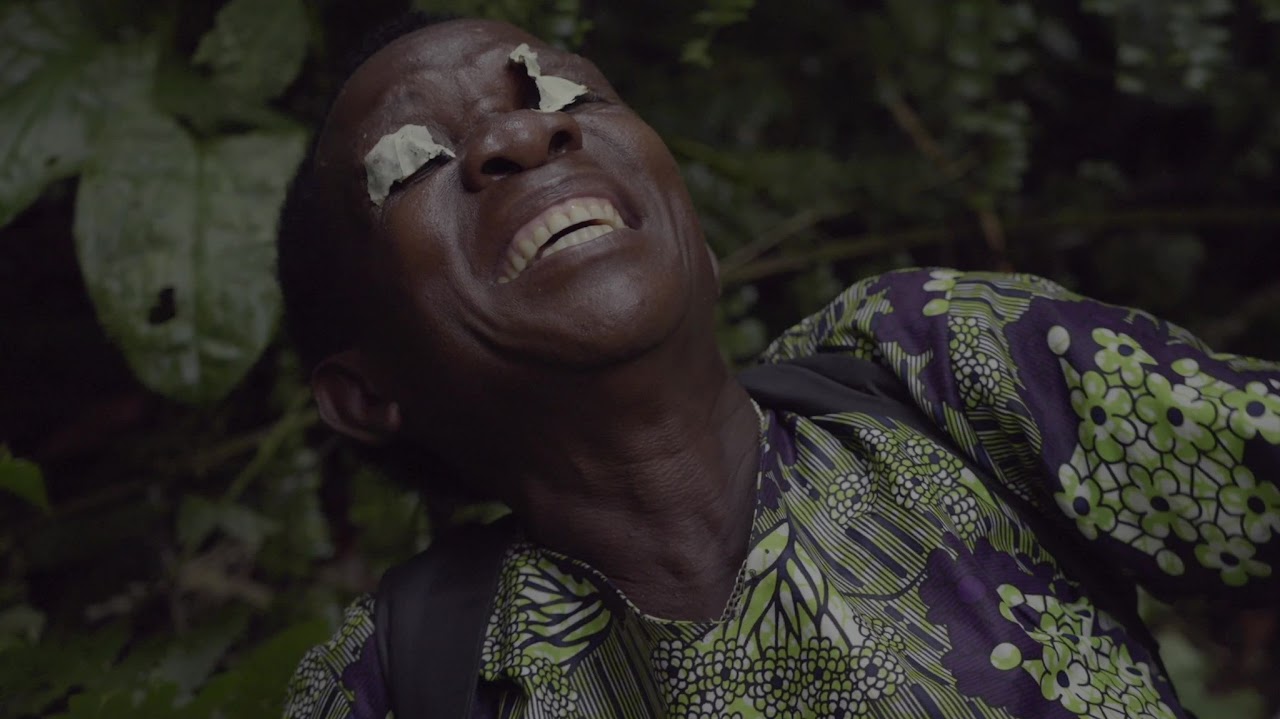
Example Ărramăt Photovoice Image: Batwa Project
Project: Indigenous Health and Forest Conservation: Using Community-based Research and Film to Share Batwa Experiences with Land Dispossession in Southern Uganda Co-Applicants/Team: Batwa Development Program/University of Alberta (Sheriliee Harper, Sabastian Twesigomwe) Photographer: David Borish "I find myself dreaming of that place many times a week." - Abius Ekibahiguire, Kitariro Batwa Settlement. We were born into the forest. The food is provided us gave us energy and acted as medicine to our lives. When you crave something for a long time and you fail to eat it, it affects your mind and you fail to be at peace. "People, especially Indigenous peoples, should be a part of conservation. But we are not. We are conservation refugees." - Batwa Advisory Committee
ArramatExampleIamge_BatwaProject.jpg
|
Photovoice, Indigenous Research, Batwa People, Uganda, Ărramăt Project, Indigenous Communities, Biodiversity, Forest
|
|
|
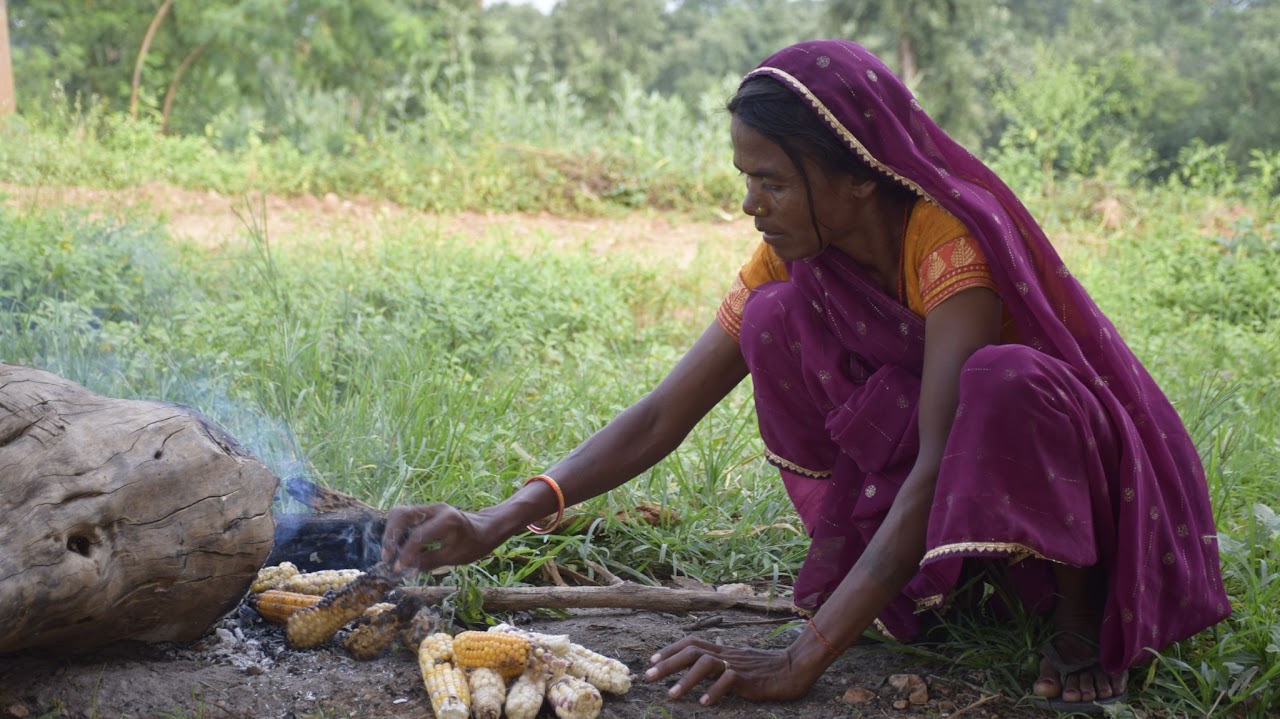
Example Ărramăt Photovoice Image: India Union of Forest Working People
Project: Building community institutions to govern biodiverse natural resources Co-Applicants/Team: All India Union of Forest Working People (Roma Malik, Ashok Chowdury, Avijit Wasi). Photographer: Sourav Roy Harvests of Freedom: "Woman from village Martyr Birsa Munda hamlet of village Majholi, Dudhi, District Sonbhadra is roasting corn in a traditional way. During the month of August and September just before the maize is fully ripe, the village burn it this way and eat the baked corn. It is very tasty that they consume with lime and salt. Just 3 to 4 corn is good breakfast and lunch. The women in this village with hundred od adivasi has reclaimed land from the colonial forest department after a long struggle and settled their own village named after martyr Birsa Munda." - Roma Malik
ArramatExampleImage_IndiaProject.jpg
|
India, Forest, Indigenous Knowledge, Indigenous Communities, Corn, Maize, Women's Indigenous Knowledge
|
|
|
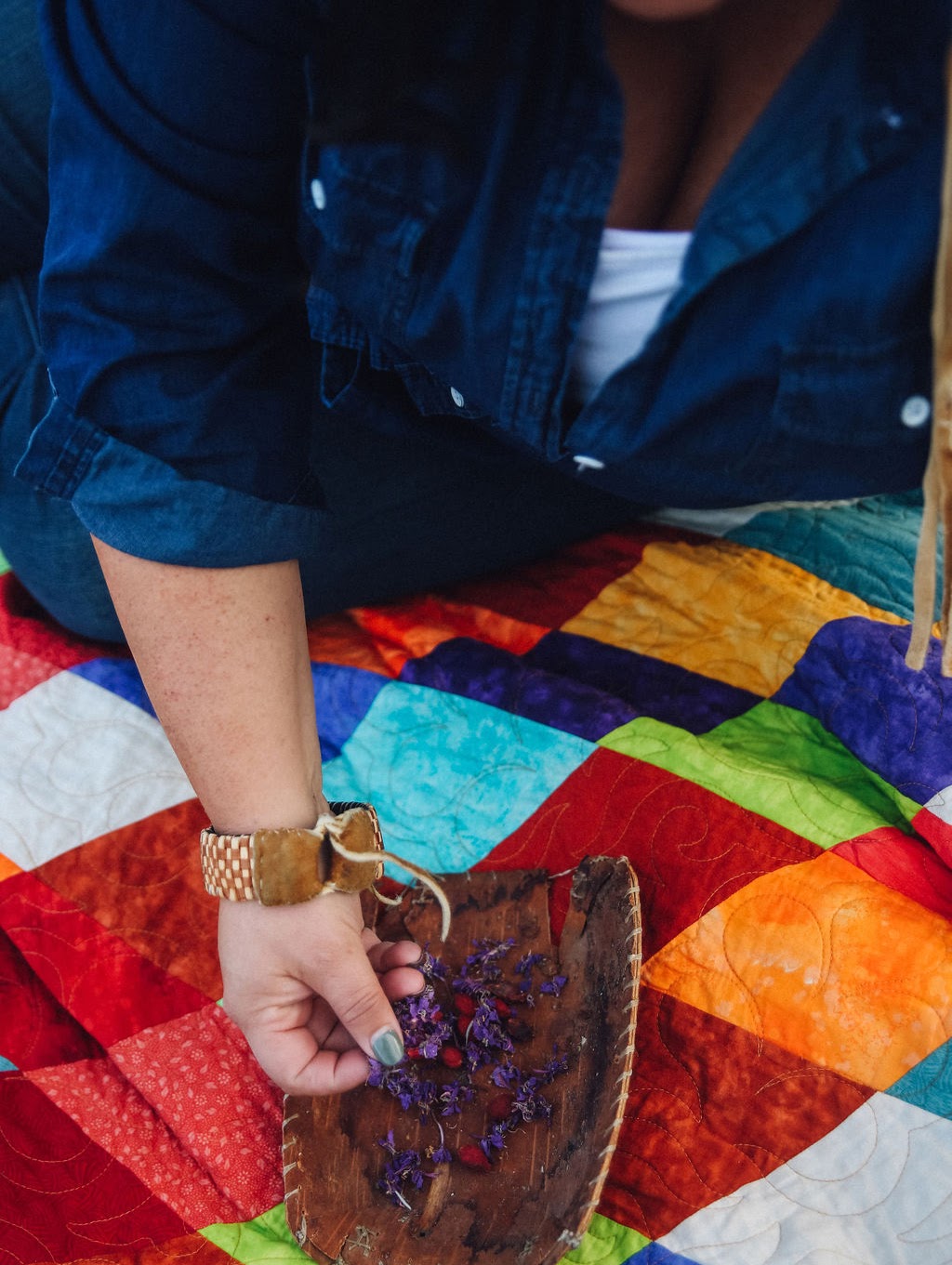
Example Ărramăt Photovoice Image: Nacho Nyäk Dun First Nation (Canada)
Project: Tsú nī tsʼä̀wtī są̀ tsī // The Plants Teach Us Co-Applicants: Joella Hogan, Yukon Soap Company/Nacho Nyäk Dun First Nation Photographer: Joella Hogan "I’m a modern First Nation woman, a maker, a gatherer, and a storyteller. My work—whether it’s through Yukon Soaps, community projects, or sharing knowledge—is grounded in connection to land, language, and culture. This isn’t just about plants. It’s about remembering. It’s about how our aunties and grandmothers passed knowledge through hands-on teachings, stories, and time spent on the land. It’s about gathering what we need from the earth with gratitude, making something beautiful and useful, and sharing it in good ways. Every step of this practice—harvesting, preparing, crafting—is an act of connection. A reminder that our culture is alive in how we work with our hands, how we care for our communities, and how we honour the land that sustains us. Fireweed, like so many of our plant medicines, teaches us about the link between biodiversity, health, and well-being. When the land thrives, so do we. The presence of these plants signals healing—of ecosystems, of people, of relationships. They remind us that wellness doesn’t come in isolation, but through reciprocity with the natural world. Sitting on a colourful quilt that carries its own stories of warmth and family, I feel surrounded by the presence of those who came before me. And I carry their strength into the work I do now—through soapmaking, through language, through ceremony, through creating space for others to reconnect." - Joella Hogan
ArramatExampleImage_NachoNyakDun.jpg
|
Indigenous Peoples, Nacho Nyak Dun First Nation, Plants, Medicinal Plants, Indigenous Knowledge, Traditional Knowledge, Storytelling, Fireweed
|
|
|
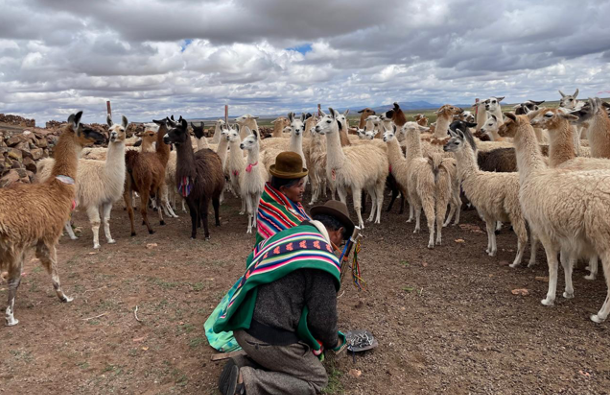
Example Ărramăt Photovoice Image: Aymara/Corque Marka
Project: Healing Physical and Spiritual Relationships with Mother Nature in Corque Marka Co-Applicant/Team: Maria Eugenia Choque Quispe, Centro de Estudios Multidisciplinarios Aymara (Maria Eugenia Choque Quispe) Photographer: Maria Eugenia Choque Quispe This image demonstrates the close relationship between families and llama breeding in the Corque Marka region. This practice not only responds to a productive need but is also deeply embedded in the spiritual, social, economic, and cultural fabric of the village. During the rainy season, families perform the khillpha ritual , a significant moment that marks the flowering or reproduction of llamas, animals considered sacred for their ancestral connection with Mother Nature. This ritual symbolizes the continuity of life, the fertility of the herds, and the renewal of the productive cycle. In this context, llama raising is not understood solely as a livestock activity, but as an integral cultural practice that reinforces Aymara identity, strengthens community ties, and ensures family sustenance. The llama thus constitutes a fundamental pillar of economic, social, and spiritual sustenance for the families of Corque Marka, enabling a way of life in harmony with biodiversity and ancestral knowledge.
ArramatExampleImage_Aymara.png
|
Aymara, Indigenous People, Corque Marka, Llama, Indigenous Knowledge, Ceremony, Relationships, Biodiversity, Cultural Practices, Spiritual Indigenous Practice
|
| File |
Title & Description |
Tags |
|

|
Ărramăt Project Indigenous-Led Place-Based Project Videos
View a collection of videos showcasing Indigenous-led place-based projects within the Ărramăt Project, highlighting the innovative and culturally grounded approaches of Indigenous communities in addressing environmental and social challenges.
|
Indigenous-Led, Place-Based Projects, Indigenous Knowledge, Environmental Stewardship, Community Resilience, Cultural Heritage, Sustainability, Ărramăt Project, Indigenous Communities, Video Resources, Indigenous Leadership
|
|

|
Example Video: Tsú nī tsʼä̀wtī są̀ tsī// The Plants Teach Us (Canada)
This video is an example connected to one of our Photovoice images from Joella Hogan from Nacho Nyäk Dun First Nation. It will be included in additional information in one of the Photovoice images at our side-event. Video Credit: Joella Hogan Language: English
e6fe908bbe
|
Indigenous-Led, Place-Based Projects, Indigenous Knowledge, Environmental Stewardship, Community Resilience, Cultural Heritage, Sustainability, Ărramăt Project, Indigenous Communities, Video Resources, Indigenous Leadership, Nacho Nyak Dun First Nation
|
|

|
Example Video: Healing Physical and Spiritual Relationships with Mother Nature in Corque Marka (Bolivia)
This video is an example connected to one of our Photovoice images from Maria Eugenia Choque Quispe who is Aymara from Bolivia (CEM-Aymara). It will be included in additional information in one of the Photovoice images at our side-event. Video Credit: Maria Eugenia Choque Quispe. Language: Spanish (English Subtitles).
57af9648a0
|
Aymara, Indigenous People, Corque Marka, Llama, Indigenous Knowledge, Ceremony, Relationships, Biodiversity, Cultural Practices, Spiritual Indigenous Practices
|
|


