What's the Problem?
Biodiversity loss, ecosystem degradation and negative health outcomes share many common drivers, due to anthropogenic environmental and socioeconomic changes
Despite its critical role, biodiversity is declining globally at rates unprecedented in human history. The impacts of environmental degradation and biodiversity loss driven by land- and sea-use change, habitat loss, overexploitation, pollution, invasive alien species and climate change are already resulting in adverse outcomes for health and well-being, as exemplified by the COVID-19 pandemic. Importantly, the consequences of biodiversity loss are not limited to infectious diseases; they are also associated with an increased burden of noncommunicable diseases.
Biodiversity loss, ecosystem degradation and negative health outcomes share multiple common drivers linked to anthropogenic environmental and socioeconomic change. These drivers affect biodiversity and the health of humans, animals and plants through discrete ecosystem alterations, systemic ecological disruption and cumulative degradation over time. For example, land- and sea-use change and ecosystem degradation contribute both to biodiversity loss and to the emergence of infectious diseases. Air and water pollution adversely affect biodiversity and health, including through the bioaccumulation and biomagnification of toxic substances in food chains. Climate change and ocean acidification have significant impacts on biodiversity and on the health of humans, animals and plants. These processes can alter species and pathogen distribution, increase the frequency and intensity of extreme weather events, and threaten agriculture, food systems and nutrition security. Prevailing consumption and production patterns are underlying drivers of biodiversity loss and also exacerbate the global burden of noncommunicable diseases. Addressing these shared drivers is therefore essential to secure co-benefits for biodiversity conservation and multisectoral health outcomes.
Environmental determinants of health contribute substantially to the global burden of disease and are closely interrelated with social determinants of health such as poverty, gender, age and rural–urban disparities as well as with health equity. Vulnerable populations, including women and low-income communities, who often depend more directly on biodiversity and ecosystem services, are disproportionately affected by biodiversity loss and typically have more limited access to social protection mechanisms, including health care.
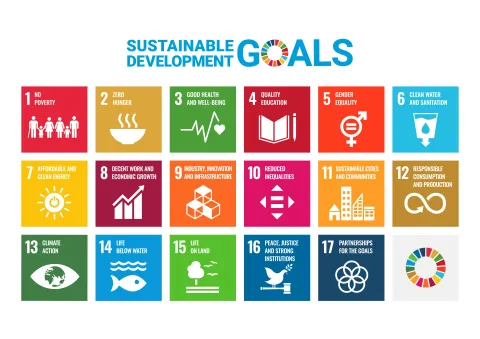
The current rate of biodiversity decline poses serious risks to sustainable development and may undermine progress toward multiple Sustainable Development Goals, including those related to poverty, hunger and health, as well as the goals and targets of the Kunming–Montreal Global Biodiversity Framework.