Pathways of introduction of invasive alien species, their prioritization and management
UNEP/CBD/SBSTTA/18/9/Add.1
In order to facilitate the identification and prioritization of pathways by Parties, within the framework of the Convention’s Global Invasive Alien Species Information Partnership (GIASI Partnership), the Invasive Species Specialist Group of IUCN’s Species Survival Commission (IUCN SSC-ISSG), in collaboration with the UK’s Centre for Ecology and Hydrology (CEH), CAB International (CABI) and other partners, has carried out an analysis and mapping of existing categorizations for pathways of introduction of invasive alien species, with the aim of developing a categorization or framework of pathway types using standard terminology that may be broadly applicable at a global scale.
The technical scope of this assessment has been the development of a comprehensive classification that can integrate data across all taxonomic groups and habitat types (terrestrial, marine, freshwater) without distinction.
Pathways related to the transport of a commodity
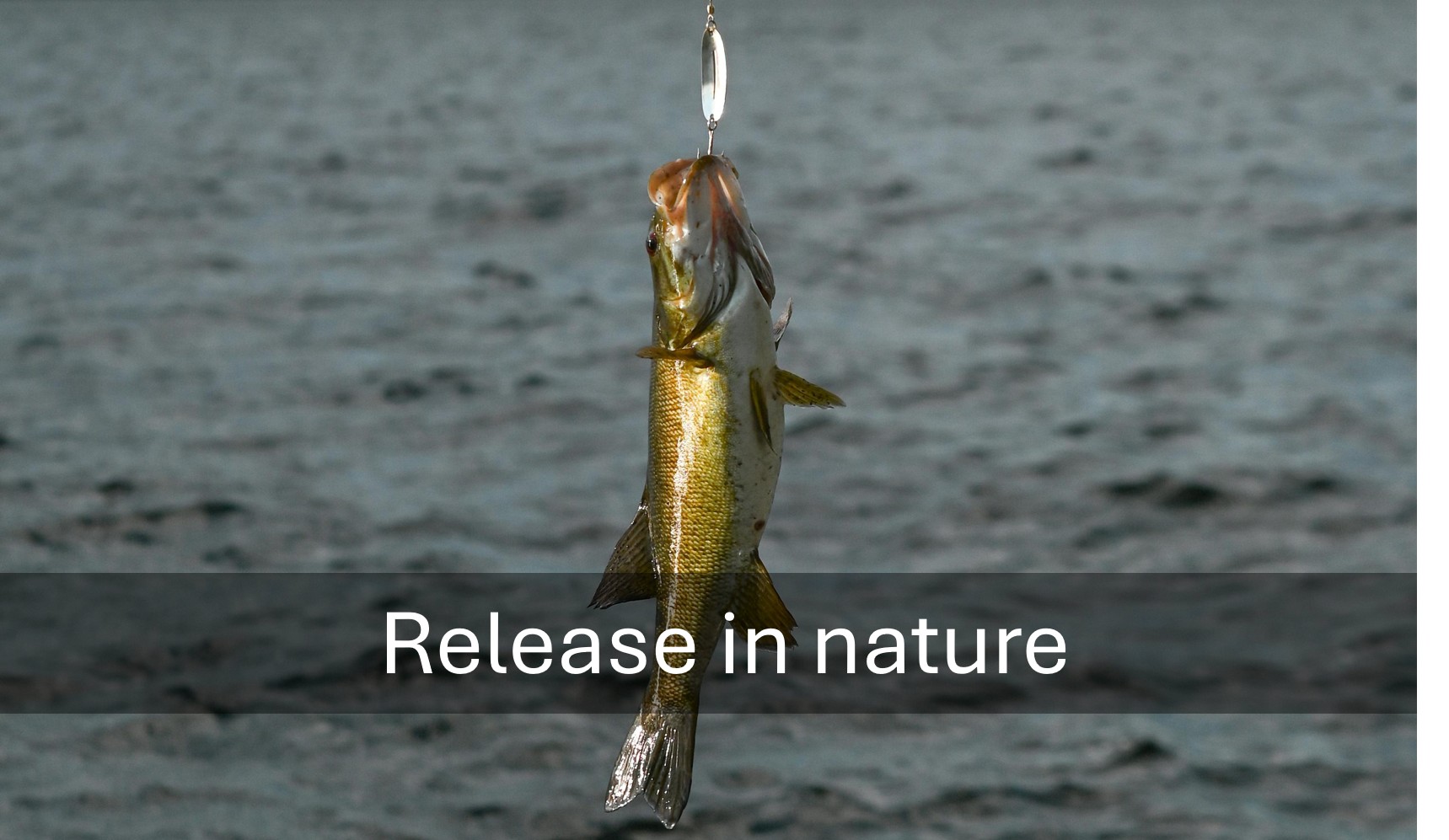
Release in nature
Refers to the intentional introduction of live alien organisms for the purpose of human use in the natural environment. Examples include for biological control, erosion control (and dune stabilization), for fishing or hunting in the wild; landscape “improvement” and introduction of threatened organisms for conservation purposes.
Its subcategories include
- Biological control
- Erosion control/ dune stabilization (windbreaks, hedges, …)
- Fishery in the wild (including game fishing)
- Hunting
- Landscape/flora/fauna “improvement” in the wild
- Introduction for conservation purposes or wildlife management
- Release in nature for use (other than above, e.g., fur, transport, medical use)
- Other intentional release
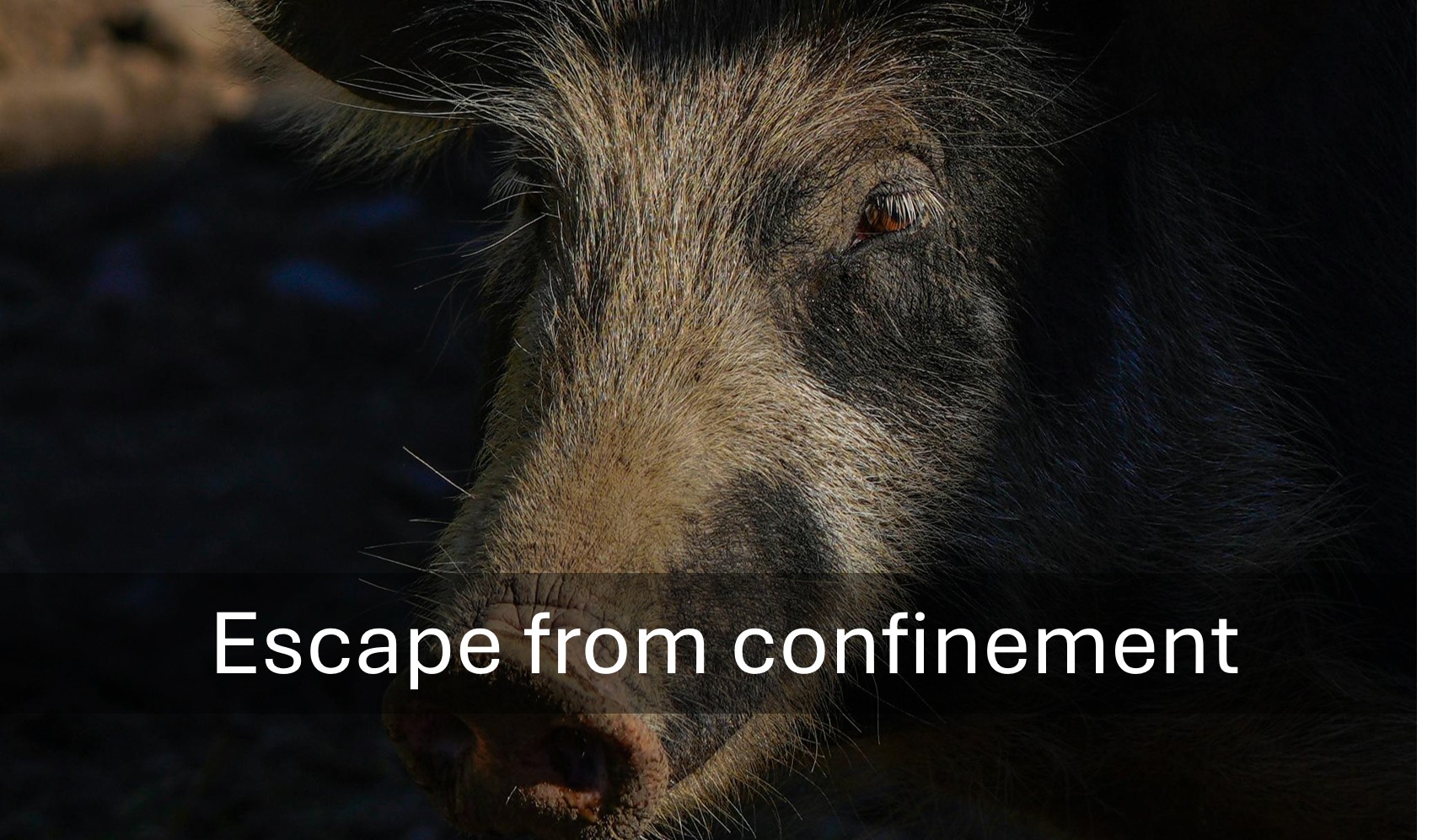
Escape from confinement
Refers to the movement of (potentially) invasive alien species from confinement (e.g., in zoos; aquaria; botanic gardens; agriculture; horticulture; aquaculture and mariculture facilities; scientific research or breeding programmes; or from keeping as pets) into the natural environment. Through this pathway the organisms were initially purposefully imported or otherwise transported to the confined conditions, but then escaped from such confinement, unintentionally. This may include accidental or irresponsible release of live organisms from confinement, including cases such as the disposal of live food into the environment or the use of live baits in an unconfined water system.
Its subcategories include:
- Agriculture (including Biofuel feedstocks)
- Aquaculture / mariculture
- Botanical garden/zoo/aquaria (excluding domestic aquaria)
- Pet/aquarium/terrarium species (including live food for such species)
- Farmed animals (including animals left under limited control)
- Forestry (including afforestation or reforestation)
- Fur farms
- Horticulture
- Ornamental purpose other than horticulture
- Research and ex-situ breeding (in facilities)
- Live food and live bait
- Other escape from confin
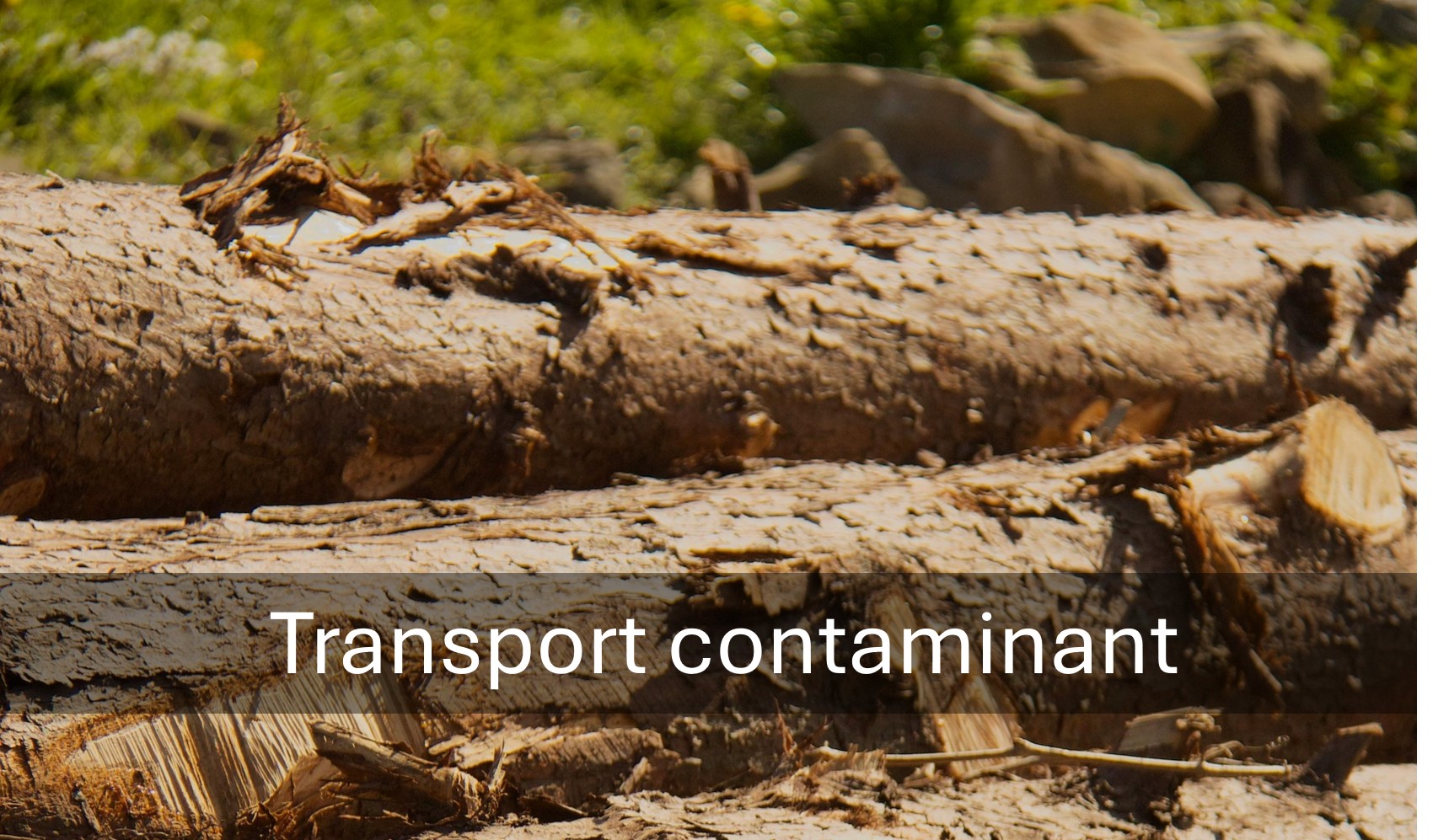
Transport-contaminant
Refers to the unintentional movement of live organisms as contaminants of a commodity that is intentionally transferred through international trade, development assistance, or emergency relief. This includes pests and diseases of food, seeds, timber and other products of agriculture, forestry, and fisheries as well as contaminants of other products.
Its subcategories include:
- Contaminant nursery material
- Contaminated bait
- Food contaminant (including live food)
- Contaminant on animals (except parasites, species transported by host/vector)
- Parasites on animals (including species transported by host/vector)
- Contaminant on plants (except parasites, species transported by host/vector)
- Parasites on plants (including species transported by host/vector)
- Seed contaminant
- Timber trade
- Transportation of habitat material (soil, vegetation)
Pathways related to a transport vector
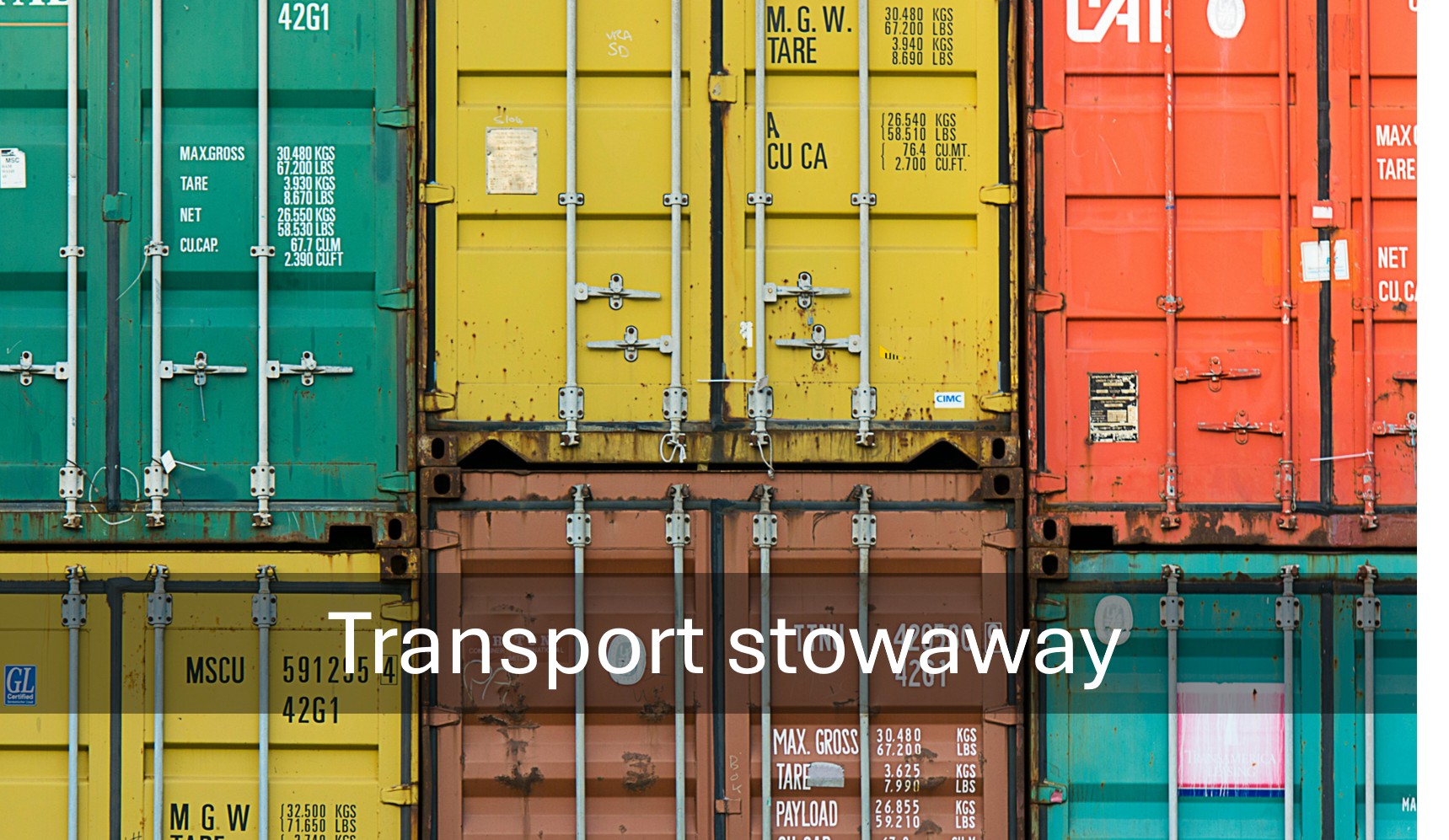
Transport-Stowaway
Refers to the moving of live organisms attached to transporting vessels and associated equipment and media. The physical means of transport-stowaway include various conveyances, ballast water and sediments, biofouling of ships, boats, offshore oil and gas platforms and other water vessels, dredging, angling or fishing equipment, civil aviation, sea and air containers. Stowaways of any other vehicles and equipment for human activities, in military activities, emergency relief, aid and response, international development assistance, waste dispersal, recreational boating, tourism (e.g., tourists and their luggage) are also included under this pathway.
Its subcategories include
- Angling/fishing equipment
- Container/bulk
- Hitchhikers in or on airplane
- Hitchhikers on ship/boat (excluding ballast water and hull fouling)
- Machinery/equipment
- People and their luggage/equipment (in particular tourism)
- Organic packing material, in particular wood packaging
- Ship/boat ballast water
- Ship/boat hull fouling
- Vehicles (car, train, …)
- Other means of transport
Pathways related to natural spread from a neighbouring region
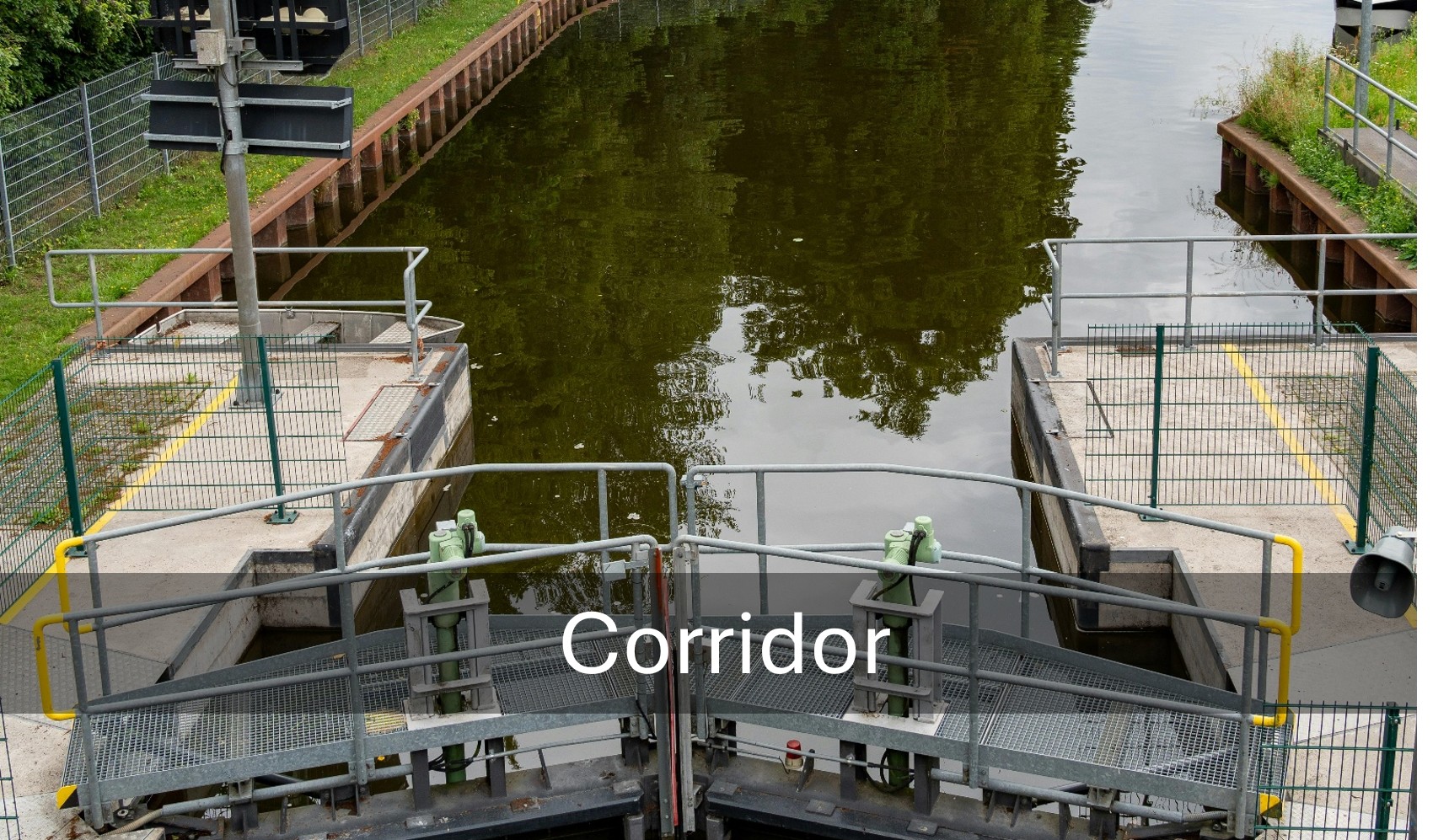
Corridor
Refers to the movement of alien organisms into a new region following the construction of transport infrastructures in whose absence spread would not have been possible. Such transbiogeographical corridors include international canals (connecting river catchments and seas) and transboundary tunnels linking mountain valleys or oceanic islands.
Its subcategories include
- Interconnected waterways/basins/seas
- Tunnels and land bridges
Unaided
This is the secondary natural dispersal of invasive alien species that have been introduced by means of any of the foregoing pathways. This pathway is referred to in Guiding Principle 11 While the secondary dispersal is unaided it can only take place because of a previous human intervention. Information on the mechanisms of secondary spread of invasive alien species, after their introduction, are relevant to define the best resp